From melasma and acne marks to sun-induced pigmentation, our customized treatments help address stubborn discoloration and support a clearer, more even-toned complexion.
At Inform Clinic, we offer personalized pigmentation treatments designed to target the underlying cause of discoloration rather than simply masking it. Using advanced laser technologies, chemical peels, and dermatologist-guided skincare, we create customized treatment plans that help improve skin clarity, reduce visible pigmentation, and restore a more even complexion.
Common Pigmentation Concerns We Treat Melasma Hyperpigmentation Dark Spots Post-Acne Pigmentation Sunspots Freckles Uneven Skin Tone Age Spots Pigmentation refers to the darkening of certain areas of the skin due to excess melanin production. While melanin is responsible for your natural skin color, various internal and external factors can cause it to accumulate unevenly, resulting in patches, spots, or discoloration. Melasma appears as symmetrical brown or grey-brown patches, commonly on the cheeks, forehead, nose, upper lip, and chin. It is often associated with hormonal fluctuations, pregnancy, genetics, and sun exposure. PIH develops after inflammation or skin injury. Acne, eczema, allergic reactions, burns, and certain cosmetic procedures can leave behind dark marks that persist long after the original condition has healed.
Sunspots are flat brown patches that develop due to cumulative sun exposure. They commonly appear on the face, neck, chest, and hands. Freckles are small pigmented spots that may become darker and more noticeable with sun exposure. While some freckles are genetic, UV exposure can increase their appearance.
Diffuse pigmentation may cause some areas of the face to appear darker than others. This can result from sun exposure, inflammation, hormonal changes, or previous skin damage.
Age spots develop gradually over time due to chronic sun exposure and natural aging processes. They typically appear as flat brown spots on sun-exposed areas.
Trusted by hundreds of patients across Hyderabad
Every treatment plan is customized after a thorough skin assessment.
Access to modern laser and skin rejuvenation treatments.
No two pigmentation cases are identical.
Treatment plans address both existing pigmentation and recurrence prevention.
Protocols are selected carefully to minimize the risk of complications and post-treatment pigmentation.
Understanding the cause of pigmentation helps determine the most effective treatment plan. Ultraviolet radiation stimulates melanin production and is one of the most common causes of pigmentation. Pregnancy, oral contraceptives, thyroid disorders, and hormonal fluctuations may contribute to melasma and facial pigmentation. nflammation often triggers excess melanin production, resulting in post-inflammatory hyperpigmentation. Some individuals are naturally more prone to developing pigmentation due to hereditary factors. Long-term sun exposure combined with age-related changes can lead to age spots and uneven pigmentation. Some medications may increase skin sensitivity to sunlight and trigger pigment changes. Patients Treated Years Experience Laser Technology Downtime Not all pigmentation is the same.A detailed skin assessment helps identify the depth and type of pigmentation before treatment begins. Located in the upper layers of the skin and often responds well to chemical peels and topical treatments. Involves both superficial and deeper pigment deposits and may require combination therapies. Located in deeper skin layers and often requires advanced laser treatments along with long-term maintenance.
Tired of Covering Up Dark Spots and Pigmentation Every Day?
What Is Skin Pigmentation?
Pigmentation can affect people of all skin types and may develop gradually or suddenly depending on the underlying cause. Accurate diagnosis is important because different types of pigmentation respond differently to treatment.Types of Pigmentation We Treat
Melasma
Melasma can be challenging to treat and often requires a combination of laser treatments, medical skincare, and long-term maintenance.Post-Inflammatory Hyperpigmentation (PIH)
The depth of pigmentation determines whether peels, lasers, or topical therapies are most appropriate.Sunspots (Solar Lentigines)
These lesions often respond well to laser-based treatments.Freckles
Uneven Skin Tone
Age Spots
Why Choose Inform Clinic for Pigmentation Treatment?
Dermatologist-Led Care
Advanced Technologies
Customized Treatment Protocols
Focus on Long-Term Results
Safe for Indian Skin
Before and After Pigmentation Treatment Results
What Causes Pigmentation?
Sun Exposure
Hormonal Changes
Acne and Skin Inflammation
Genetics
Aging
Certain Medications
10,000+
12+
Advanced
Minimal
Pigmentation Assessment Guide
Superficial Pigmentation
Mixed Pigmentation
Deep Pigmentation
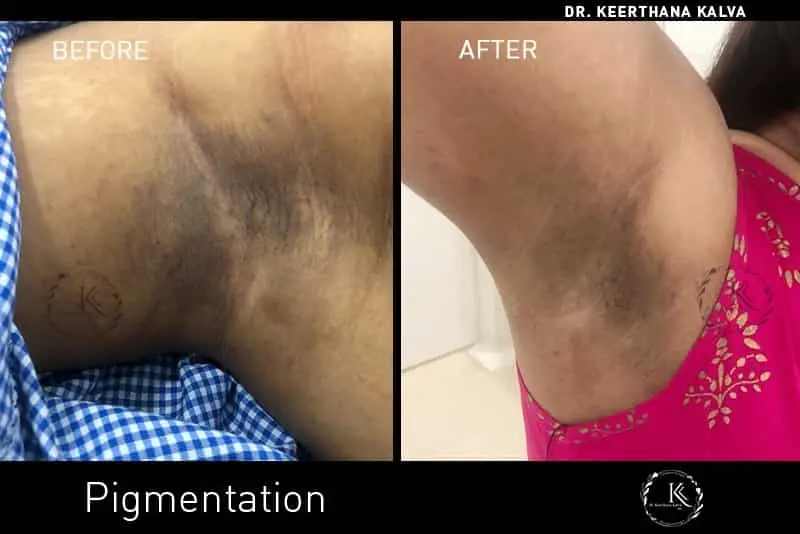
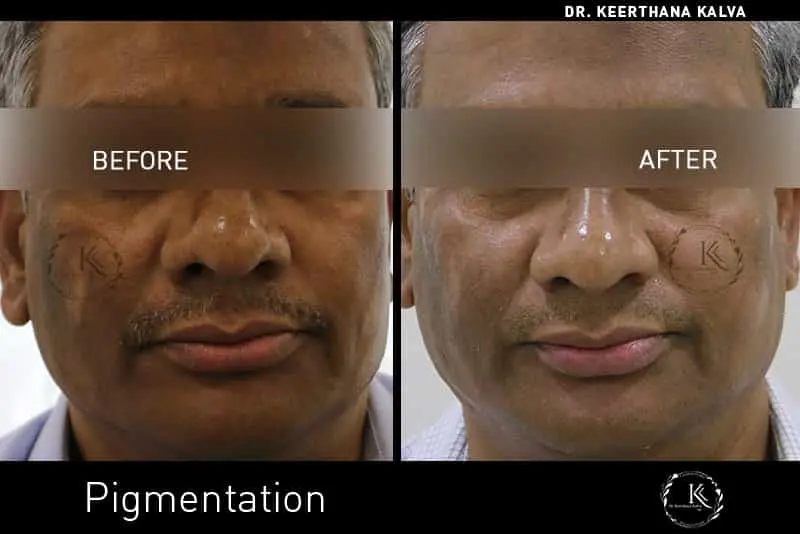
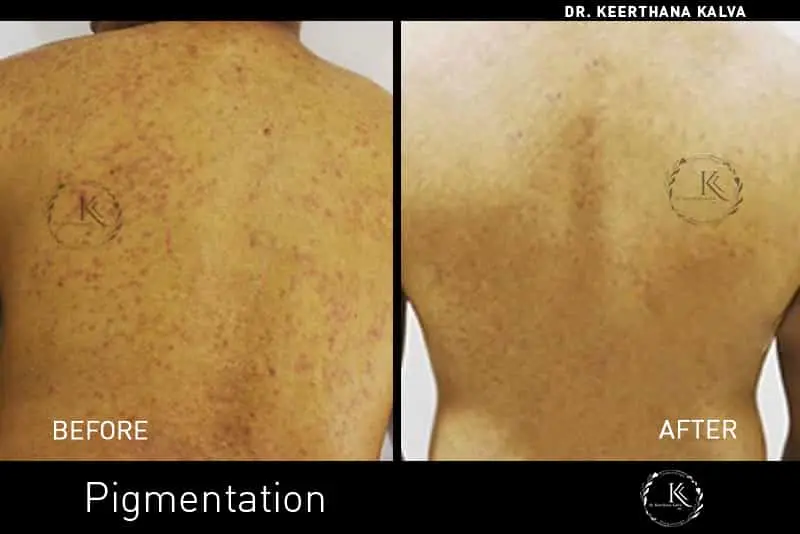
Laser toning delivers controlled energy into the skin to break down excess pigment while improving overall skin tone. Q-Switch lasers specifically target pigment deposits within the skin. Chemical peels accelerate skin renewal and help reduce superficial pigmentation. Carbon peel treatments help improve skin brightness, texture, and mild pigmentation concerns while also reducing excess oil. Dermatologist-prescribed skincare protocols help regulate melanin production and support long-term pigment control.Pigmentation Treatment Options
Laser Toning
Ideal for:Q-Switch Laser Treatment
Ideal for:Chemical Peels
Ideal for:
>
Carbon Peel
Medical Depigmentation Programs
Which Treatment Is Best for Your Pigmentation?
Benefits of Professional Pigmentation Treatment
Reduces Visible Dark Spots
Targets excess pigment deposits and improves skin clarity.
Improves Skin Tone
Helps create a more uniform complexion.
Enhances Skin Brightness
Promotes a fresher and more radiant appearance.
Treats Multiple Pigmentation Concerns
Customized solutions can address various forms of pigmentation simultaneously.
Supports Long-Term Pigment Control
Medical skincare and maintenance protocols help minimize recurrence.
Safe for Indian Skin Types
Treatment plans are selected based on individual skin characteristics and pigmentation patterns.
How Many Sessions Will I Need?
The number of sessions varies depending on:
- Type of pigmentation
- Severity of discoloration
- Depth of pigment
- Skin type
- Individual response to treatment
Some patients notice visible improvement within a few sessions, while deeper pigmentation may require a longer treatment plan. During your consultation, a customized treatment roadmap will be discussed.
Why Pigmentation Sometimes Returns
Many forms of pigmentation can improve significantly with treatment. However, conditions such as melasma may recur if triggers are not controlled.
Common triggers include:
- Sun exposure
- Hormonal fluctuations
- Inconsistent sunscreen use
- Incomplete treatment
- Lack of maintenance skincare
Long-term management is often the key to maintaining results.
Explore Related Treatments
Explore Related Skin Treatments
Frequently Asked Questions On Pigmentation
Can pigmentation be removed permanently?
Which pigmentation treatment is best?
Is laser treatment safe for pigmentation?
How many sessions are required?
Does melasma come back after treatment?
Are chemical peels effective for pigmentation?
What causes pigmentation on the face?
What is the cost of pigmentation treatment in Hyderabad?
Get Expert Help for Pigmentation Concerns
Whether you're dealing with melasma, dark spots, post-acne pigmentation, or uneven skin tone, a personalized treatment plan can help address the root cause of your pigmentation concerns.
Schedule a consultation today to discover the most effective treatment options for your skin and start your journey toward a clearer, more radiant complexion.