What Causes Warts and Are They Contagious?
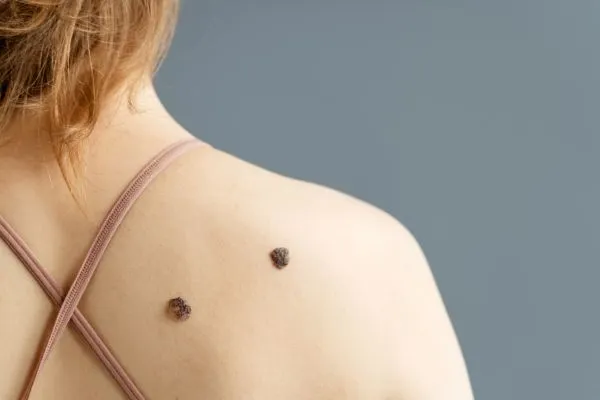
Warts are common skin growths that can appear on the hands, feet, face, or other parts of the body. Although they are generally harmless, many people are concerned about how they develop, whether they can spread to others, and if treatment is necessary.
Understanding the cause of warts and how they spread can help you protect your skin and know when professional treatment may be the best option.
Quick Facts
- Caused by Human Papillomavirus (HPV)
- Can spread through skin contact
- More common in children and young adults
- May disappear naturally over time
- Professional removal reduces recurrence risk
What Causes Warts?
Warts are caused by certain strains of the Human Papillomavirus (HPV). The virus enters the skin through tiny cuts or breaks in the skin surface, causing rapid growth of skin cells that form the raised, rough bumps known as warts.
Not everyone exposed to HPV develops warts. Individual immunity, skin condition, and the specific HPV strain all influence whether a wart develops.
Common Types of Warts
Common Warts
Usually appear on fingers, hands, and around the nails.
Plantar Warts
Develop on the soles of the feet and may be painful while walking.
Flat Warts
Small, smooth warts commonly found on the face and legs.
Filiform Warts
Long, narrow warts often appearing around the eyes, nose, or mouth.
Are Warts Contagious?
Yes. Warts are contagious because they are caused by HPV. The virus can spread through direct skin-to-skin contact or by touching contaminated objects such as towels, razors, nail tools, footwear, or surfaces around swimming pools and gym locker rooms.
Skin Contact
Shared Personal Items
Public Wet Areas
Broken Skin
Who Has a Higher Risk of Developing Warts?
| Risk Factor | Why It Increases Risk |
|---|---|
| Children & Teenagers | Developing immune systems are more susceptible. |
| Frequent Swimming | Wet environments increase exposure to HPV. |
| Weakened Immunity | Reduced ability to fight viral infections. |
| Skin Injuries | Cuts and abrasions allow the virus to enter. |
How Can You Prevent Warts?
Frequently Asked Questions
Can warts spread from one part of the body to another?
Yes. Touching or picking a wart may spread the virus to nearby skin.
Are all warts caused by HPV?
Yes. Different strains of the Human Papillomavirus cause different types of warts.
Do warts disappear on their own?
Some warts may resolve naturally over months or years, but many persist and benefit from professional treatment.
Should I remove a wart myself?
Self-treatment may not always be appropriate. It's best to consult a dermatologist for accurate diagnosis and safe removal.
Can adults get warts?
Yes. Although more common in children, adults can also develop warts, especially if exposed to HPV through broken skin.
When should I see a dermatologist?
Seek medical evaluation if a wart is painful, bleeding, changing rapidly, spreading, or interfering with daily activities.
For enquiries you can get in touch with us at info@drkeerthanakalva.com