Fungal infections are among the most common skin conditions and can affect the skin, scalp, nails, and body folds. While some infections cause mild itching and irritation, others can become persistent, recurrent, and difficult to manage without proper treatment.
At Inform Clinic, fungal infection treatment focuses on accurate diagnosis, effective treatment, prevention of recurrence, and long-term skin health.
Fungal infections can appear in many forms and may affect different parts of the body.Early treatment can help prevent the infection from spreading and reduce the risk of recurrence.
Common symptoms include:
Persistent itching
Red circular rashes
Scaling or peeling skin
Skin discoloration
Burning sensation
Cracked skin
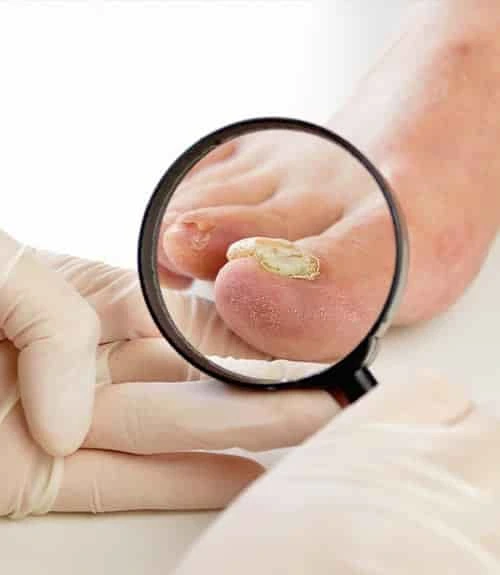
Thickened or discolored nails
Scalp scaling and hair loss
Recurring fungal infections
A fungal infection occurs when fungi grow on the skin, scalp, nails, or body folds and cause irritation, inflammation, or infection.
Fungi thrive in:
Symptoms vary depending on the location and type of infection.
One of the most common symptoms.
Often seen in ringworm infections.
Skin may become dry, flaky, or scaly.
Affected areas may appear lighter or darker than surrounding skin.
Nails may become:
Scalp fungal infections may cause:
Patients Treated
Years Experience
Laser Technology
Downtime
Fungal infections develop when fungi multiply on the skin under favorable conditions.
Common contributing factors include:
Warm and moist environments encourage fungal growth.
Hot and humid climates increase risk.
Friction and trapped moisture can promote infection.
Sharing towels, footwear, or clothing may spread infection.
Damaged skin is more susceptible to fungal invasion.
Some health conditions may increase susceptibility to recurrent fungal infections.
Many patients experience repeated fungal infections despite treatment.
Common reasons include:
Incomplete treatment courses
Use of steroid-containing creams
Reinfection from clothing or footwear
Excessive sweating
Poor hygiene practices
Untreated family members
Humid environmental conditions
Some fungal infections can spread through direct or indirect contact.
Possible sources include:
Skin-to-skin contact
Shared towels
Shared footwear
Gym equipment
Contaminated surfaces
Patients often confuse fungal infections with eczema because both can cause itching and redness.
Medical history
Clinical examination
Assessment of symptoms
Evaluation of affected areas
Treatment depends on the type, severity, location, and duration of the infection. Suitable for many mild and localized infections. May be required for: Often used for scalp fungal infections. Long-term treatment may be required due to slow nail growth. Addressing contributing factors helps reduce future infections.Fungal Infection Treatment Options
Topical Antifungal Treatments
Oral Antifungal Medications
Antifungal Shampoos
Nail Fungus Management
Prevention of Recurrence
Pay special attention to skin folds and feet.
Towels, footwear, and clothing should not be shared.
Loose-fitting clothing helps reduce moisture buildup.
Especially after exercise.
Stopping treatment early increases recurrence risk.
Particularly in communal environments.
Trusted by hundreds of patients across Hyderabad
Every treatment plan is tailored according to the type of fungal infection, affected area, severity, and recurrence history.
Accurate Diagnosis of Fungal Conditions
Treatment for Skin, Nail & Scalp Infections
Management of Recurrent Fungal Infections
Personalized Treatment Plans
Focus on Long-Term Prevention
Experienced Dermatology Team
Explore Related Skin Treatments
If you are experiencing persistent itching, recurring fungal infections, ring-shaped rashes, scalp fungus, or nail changes, an early evaluation can help establish an effective treatment plan and reduce recurrence.
Schedule Your Fungal Infection Consultation TodayCreate your perfect image!
Treat yourself with great service!
At Inform Clinics, we understand that body image is a powerful thing. Our feelings when we look in the mirror are a personal experience that can have a profound impact on our daily lives and self-perception.
Disclaimer: -This information, images, videos displayed on this website is to promote awareness and is not intended as a substitute for medical advice. Inform Cosmetic Surgery and Medical Aesthetics and its associates do not intend to encourage any individual to undergo any treatment without any proper consultation. One must always seek advice from a qualified medical health care professional regarding any medical condition treatment.
© Copyright 2019-2026, Inform Clinics | All Rights Reserved.