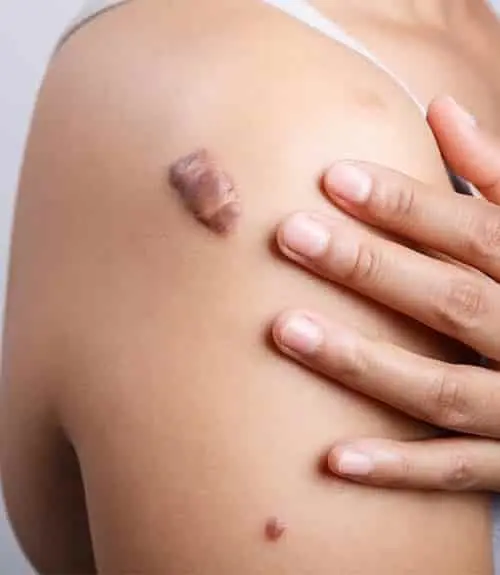
Keloids are raised scars that develop when the skin produces excess collagen during the healing process. Unlike normal scars, keloids grow beyond the boundaries of the original injury and may continue enlarging over time.
At Inform Clinic, keloid treatment focuses on reducing scar size, improving appearance, relieving symptoms, and minimizing the risk of recurrence through personalized treatment plans.
Many people initially mistake keloids for normal scars.If a scar continues to enlarge beyond the original wound, it may be a keloid.
Common concerns include:
Raised scars after surgery
Thick scars after injury
Scar tissue that continues growing
Ear piercing bumps
Itchy scars
Painful scars
Cosmetic concerns related to scar appearance
A keloid is a type of abnormal scar that develops due to excessive collagen production during wound healing.
Unlike normal scars, keloids:
Keloids may vary in size, shape, and color. Common features include:
The scar becomes elevated above the surrounding skin.
A hallmark feature of keloids.
The scar may feel thick and rubbery.
Some keloids cause discomfort or irritation.
Keloids may be pink, red, brown, or darker than surrounding skin.
Patients Treated
Years Experience
Laser Technology
Downtime
Keloids can develop after even minor skin injuries. One of the most common causes of ear keloids. Inflammatory acne lesions may lead to keloid formation in susceptible individuals. Surgical incisions can occasionally develop keloids. Even small injuries may trigger excessive scar formation. Burn injuries may increase keloid risk. Keloids can occasionally form at injection sites. Certain factors increase susceptibility. Genetics play an important role. Patients who have developed one keloid are more likely to develop others. Keloids are often more common in adolescents and young adults. Certain skin types may have a higher tendency for keloid formation.
Ear piercing is one of the most common causes of keloids.
Symptoms may include:
A firm bump around the piercing site Progressive enlargement Cosmetic asymmetry Tenderness or itching Many people confuse keloids with hypertrophic scars.
Yes. Cosmetic concerns Itching Tenderness Emotional distress Restricted movement (in certain locations) Medical history Examination of the scar Assessment of scar growth pattern Evaluation of previous treatments Treatment depends on the size, location, symptoms, and history of recurrence. Frequently used to reduce scar thickness and symptoms. May help flatten selected keloids by freezing scar tissue. Can improve scar appearance and associated discoloration. Removal may be considered for selected cases, often combined with additional therapies to reduce recurrence risk. Many keloids respond best to a combination of treatments.Common Causes of Keloids
Ear Piercings
Acne
Surgery
Cuts & Wounds
Burns
Vaccinations & Injections
Who Is More Likely to Develop Keloids?
Family History
Previous Keloids
Younger Age Groups
Skin Type
Ear Keloids After Piercing
Keloid vs Hypertrophic Scar
Can Keloids Keep Growing?
Unlike normal scars, keloids may continue enlarging long after the original wound has healed.
Some keloids remain stable, while others gradually increase in size over months or years.
This is why early evaluation is often beneficial.
Are Keloids Dangerous?
Treatment is often sought because of appearance or discomfort.
How Are Keloids Diagnosed?
Additional investigations are rarely needed.
Keloid Treatment Options
Steroid Injections
Cryotherapy
Laser Treatment
Surgical Excision
Combination Therapy
Reducing scar size
Improving texture
Relieving symptoms
Preventing regrowth
Enhancing cosmetic appearance
Avoid Unnecessary Skin Trauma
Seek Early Treatment for Raised Scars
Follow Post-Procedure Care Instructions
Inform Your Dermatologist About Previous Keloids
Monitor New Scars Carefully
Trusted by hundreds of patients across Hyderabad
Every treatment plan is tailored according to scar type, location, symptoms, and recurrence risk.
Personalized Scar Assessment
Treatment for Ear & Body Keloids
Advanced Scar Reduction Techniques
Combination Treatment Approaches
Focus on Recurrence Prevention
Experienced Dermatology Team
Explore Related Skin Treatments
If you have a raised scar, ear piercing keloid, or scar tissue that continues to grow, an early evaluation can help determine the most appropriate treatment approach.
Schedule Your Keloid Consultation TodayCreate your perfect image!
Treat yourself with great service!
At Inform Clinics, we understand that body image is a powerful thing. Our feelings when we look in the mirror are a personal experience that can have a profound impact on our daily lives and self-perception.
Disclaimer: -This information, images, videos displayed on this website is to promote awareness and is not intended as a substitute for medical advice. Inform Cosmetic Surgery and Medical Aesthetics and its associates do not intend to encourage any individual to undergo any treatment without any proper consultation. One must always seek advice from a qualified medical health care professional regarding any medical condition treatment.
© Copyright 2019-2026, Inform Clinics | All Rights Reserved.