Is Body Contouring Suitable for People Who Are Not Overweight?
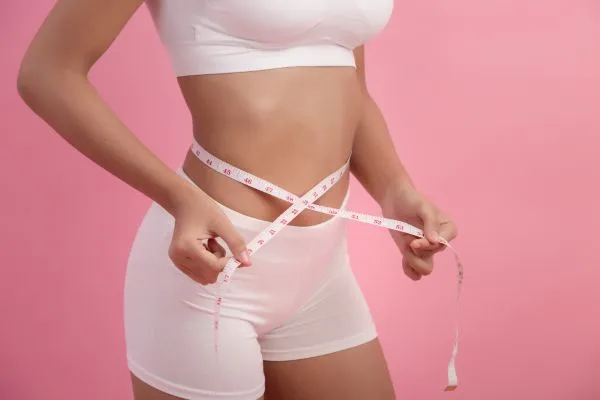
You may be comfortable with your overall weight, follow a healthy lifestyle and exercise regularly, yet still notice stubborn fat around your abdomen, waist, thighs or arms. Does that mean body contouring is not meant for you? Not necessarily. Body contouring is often considered by people who are already close to their preferred weight but want to address specific areas that do not respond as expected to diet and exercise.
Yes, body contouring may be suitable for people who are not overweight. In fact, selected non-surgical fat-reduction treatments are designed to target small, localised fat deposits rather than produce overall weight loss.
Being slim or having a healthy body weight does not mean every area of your body will have the same fat distribution. Genetics, hormones, age, pregnancy and individual body composition can influence where fat is stored.
However, body contouring is not automatically appropriate for everyone who wants a more defined shape. The right treatment depends on whether the concern is localised fat, loose skin, cellulite, muscle definition or something else.
The key point: Body contouring is generally intended to refine body shape, not to make the number on the weighing scale go down. A person does not have to be overweight to be assessed for a suitable contouring procedure.
Why Can Slim People Still Have Stubborn Fat?
Body weight and body shape are not the same thing. Two people with similar height and weight can have very different body proportions and fat distribution.
Some people naturally store more subcutaneous fat in certain areas. This is the layer of fat located just beneath the skin. It can remain noticeable even when someone is physically active and maintains a relatively stable weight.
Genetics and fat distribution
Inherited body patterns can influence where fat tends to accumulate, including the abdomen, hips, thighs and upper arms.
Hormonal influences
Hormonal changes across different stages of life can influence body composition and where fat is stored.
Age-related changes
Changes in muscle mass, skin elasticity and fat distribution can alter body contours over time.
Individual body composition
Muscle mass, subcutaneous fat and skin characteristics all contribute to the way an area looks, regardless of total body weight.
It is worth remembering that a small abdominal bulge is not always caused by fat. Posture, bloating, abdominal muscle separation, skin laxity and other factors can create a similar appearance. Identifying the actual concern is the first step towards choosing an appropriate treatment.
What Is Body Contouring?
Body contouring is a broad term for procedures that change or refine the shape of selected areas of the body. Depending on the method, it may involve reducing localised fat, removing excess skin, improving the appearance of cellulite or enhancing muscle definition.
There are two broad categories:
Non-surgical body contouring
Uses selected technologies applied externally to the body. Depending on the device, these may use cooling, heat, ultrasound or other forms of energy to target specific tissues.
These procedures generally involve no surgical incision, although temporary side effects and device-specific risks are possible.
Surgical body contouring
Includes procedures such as liposuction and tummy tuck surgery. These are used for selected concerns involving localised fat or excess skin and require surgical assessment.
They involve different levels of recovery, risks and results compared with non-surgical procedures.
These approaches are not interchangeable. A person with a small, localised fat pocket may be assessed for a non-surgical option, while someone with significant excess skin may need a surgical consultation.
Which Areas Can Be Treated in People Who Are Not Overweight?
When a person is close to their preferred weight, treatment may focus on a particular area rather than the whole body. Common areas assessed for localised fat reduction include:
1. Abdomen
A small, pinchable fat deposit around the lower or upper abdomen may be considered for selected fat-reduction treatments.
2. Flanks or love handles
Localised fat around the waist can sometimes remain noticeable even in people with a relatively slim build.
3. Thighs
Some people notice localised fat around the inner or outer thighs that affects the way their clothes fit.
4. Upper arms
Small fat deposits around the upper arms may be assessed, although loose skin and muscle tone should also be considered.
5. Back and bra-line area
Localised fat around the upper or lower back can create folds that remain visible in certain clothing.
6. Under the chin
A small submental fat deposit may affect the appearance of the jawline. The cause of fullness should be assessed before choosing a treatment.
Not every device or procedure is suitable for every body area. Treatment eligibility depends on the technology, the amount and location of tissue, skin condition and medical history.
Who Is a Good Candidate for Body Contouring?
Someone who is not overweight may be considered for body contouring if they have a specific, realistic concern that matches what the chosen procedure can address.
For selected non-surgical fat-reduction treatments, a suitable candidate may generally have:
- A stable body weight that is close to their preferred or healthy range.
- A small, localised pocket of subcutaneous fat.
- An area that remains resistant to lifestyle measures.
- Generally good health and no relevant contraindications to the device or procedure.
- Realistic expectations about the amount of change possible.
- A willingness to maintain healthy habits after treatment.
Important: There is no single ideal weight or BMI that determines suitability for every body-contouring treatment. The treatment area, body composition, skin quality and the specific device or procedure all matter.
When Might Body Contouring Not Be the Right Choice?
Not every body-shape concern is caused by a localised fat deposit. Choosing a fat-reduction treatment when the actual issue is loose skin, muscle separation or another condition may lead to disappointing results.
| Your concern | Why contouring may not be the answer | What may need assessment |
|---|---|---|
| Loose or hanging skin | Fat reduction alone does not remove significant excess skin and may make laxity more noticeable. | Skin tightening options or a surgical assessment. |
| Abdominal muscle separation | Reducing superficial fat does not repair separated abdominal muscles. | Assessment for diastasis recti and appropriate medical or surgical advice. |
| Visceral abdominal fat | Fat around internal organs is not the target of external non-surgical fat-reduction devices. | Overall health and body-composition assessment. |
| Significant excess weight | Localised contouring is not designed to produce substantial weight loss. | A medically guided weight-management plan. |
| Cellulite or dimpling | Fat reduction does not necessarily correct the connective-tissue changes that cause dimpling. | A treatment specifically suited to cellulite, if appropriate. |
What Are the Different Non-Surgical Body Contouring Options?
Non-surgical body contouring includes several technologies. They do not all work in the same way, and their suitability depends on the treatment goal and the device used.
Cryolipolysis (fat freezing)
This technology uses controlled cooling to target selected fat deposits. The body gradually processes the affected fat cells over time. It is intended for localised fat reduction, not weight loss.
Radiofrequency-based treatments
Radiofrequency devices deliver energy into tissue. Depending on the device and its authorised intended use, they may be used for selected body-contouring or skin-tightening goals.
Ultrasound-based treatments
Some technologies use focused or therapeutic ultrasound energy to target tissue beneath the skin. The intended effect and treatment limitations vary by device.
Muscle stimulation technologies
Some devices use electromagnetic energy to trigger repeated muscle contractions. They are intended to address muscle tone or firmness rather than simply remove fat.
These treatments have different indications, contraindications and evidence. The name of a technology alone does not establish that a particular device is suitable or effective for a specific concern. Ask your provider which device is being used and what it is intended to achieve.
What About CoolTech Body Contouring?
CoolTech is a cryolipolysis-based technology that uses controlled cooling to target selected localised fat deposits. It may be considered for people who are close to their preferred weight but have a small, pinchable area of fat they would like assessed.
It is not a treatment for general weight loss, obesity or significant loose skin. The amount of change varies from person to person, and the treatment area must be suitable for the device applicator.
Before considering CoolTech or another fat-freezing treatment, a clinician should review your medical history, examine the area and discuss possible risks. Cold-related conditions and certain circulation or skin problems may make this type of treatment unsuitable.
Learn more about body contouring treatment and ask whether a non-surgical option is appropriate for your concern.
What Happens During a Body Contouring Consultation?
A consultation helps establish whether the concern is actually related to localised fat and which treatment, if any, is suitable.
You explain which area bothers you, what changes you would like and whether your weight has been stable.
The clinician assesses the fat distribution, skin quality, amount of laxity and other factors that may affect the result.
Medical conditions, previous procedures, medications and implanted devices may affect which technologies can be used safely.
The clinician explains the likely benefit, limitations, number of sessions, recovery and possible risks.
You should have an opportunity to ask questions and understand the likely outcome before deciding whether to proceed.
Does Body Contouring Help You Lose Weight?
No. This is one of the most important things to understand before considering treatment.
Non-surgical body contouring is designed to change the appearance or circumference of a selected area. It is not intended to treat obesity, replace a balanced diet or deliver the broader health benefits associated with weight loss.
Even when a treatment reduces a small amount of localised fat, the change on the weighing scale is generally not the goal and may be minimal.
Think of body contouring as shape refinement, not weight reduction. If your primary goal is to lose weight, a medically appropriate nutrition, activity and weight-management plan is a more suitable starting point.
How Long Does It Take to See Results?
Results depend on the technology and the individual's response. With some non-surgical fat-reduction treatments, changes develop gradually over several weeks or months as the body processes the affected tissue.
Some technologies require more than one session. Others may have different treatment schedules. Your clinician should explain the expected timeline for the specific device being considered.
Results are not guaranteed, and some procedures may produce only temporary improvements. Changes in body weight, ageing and pregnancy can also affect the appearance of the treated area over time.
Are There Any Risks or Side Effects?
Non-surgical does not mean risk-free. Side effects vary according to the technology and the area being treated.
Possible effects include:
- Temporary redness, swelling or bruising.
- Tenderness, discomfort or a change in sensation.
- Temporary numbness or firmness in the treated area.
- Skin irritation, burns or changes in skin colour with certain energy-based devices.
- Uneven contour changes or results that do not match expectations.
Some complications can be more serious or long-lasting. For example, cryolipolysis has a rare complication called paradoxical adipose hyperplasia, in which the treated fat area becomes larger and firmer instead of smaller. It may require surgical treatment.
Before proceeding, discuss the risks specific to the device, your health history and the treatment area. Do not choose a procedure solely because it is advertised as non-invasive or requires little downtime.
How Can You Maintain Your Body Contouring Results?
Body contouring does not replace healthy lifestyle habits. Maintaining a relatively stable weight can help preserve the appearance of the treated area.
- Follow a balanced, sustainable eating pattern.
- Include regular physical activity and strength training as appropriate.
- Maintain a stable weight rather than relying on repeated cycles of weight loss and gain.
- Follow the treatment provider's aftercare instructions.
- Attend follow-up appointments if recommended.
Even if some targeted fat cells are permanently affected by a particular treatment, remaining fat cells can still change in size with weight gain. The overall body shape can therefore change over time.
Frequently Asked Questions
1. Can slim people undergo body contouring?
Yes, selected people who are not overweight may be suitable for body contouring if they have a specific concern, such as a small localised fat deposit. Suitability depends on the treatment area, health history, skin quality and the procedure being considered.
2. Do I need to lose weight before body contouring?
Not necessarily. For selected non-surgical fat-reduction procedures, candidates are often already close to their preferred weight. The goal is to address a localised area rather than achieve overall weight loss.
3. Can body contouring remove belly fat in a slim person?
It may help with a small, pinchable deposit of subcutaneous abdominal fat if the person is suitable for the selected treatment. It will not remove visceral fat around internal organs or correct abdominal muscle separation.
4. Is body contouring the same as liposuction?
No. Body contouring is a broad term that includes surgical and non-surgical procedures. Liposuction is a surgical procedure that removes fat through small incisions, while non-surgical options use different technologies without surgically removing tissue.
5. Can body contouring tighten loose skin?
Some devices are designed to improve the appearance of mild skin laxity, but fat-reduction treatments do not necessarily tighten skin. Significant excess skin may require a different approach, including surgical assessment.
6. How many body contouring sessions are required?
The number varies according to the device, treatment area and individual response. Some procedures require multiple sessions, while others use a different schedule. Your clinician should explain the expected plan before treatment.
7. Will body contouring results last permanently?
Some fat-reduction technologies permanently affect a portion of the targeted fat cells, but remaining fat cells can enlarge with weight gain. Other body-contouring effects may be temporary. Long-term results vary.
8. Is body contouring suitable after pregnancy?
It may be considered by some people after pregnancy, but the timing and choice of treatment matter. Abdominal muscle separation, loose skin, scars and future pregnancy plans should be assessed before proceeding.
9. Can I exercise after body contouring?
Many non-surgical procedures involve little downtime, but activity recommendations depend on the technology and your response. Follow the specific instructions given by your treating clinician.
10. Is body contouring a substitute for exercise?
No. Body contouring does not replace exercise, balanced nutrition or general health care. It may address a specific cosmetic concern that remains despite healthy habits.
So, Is Body Contouring Right for You?
You do not have to be overweight to consider body contouring. If your weight is stable and you have a small, localised fat deposit that affects a particular area, a suitable non-surgical treatment may be worth discussing with a qualified clinician.
However, the most important step is identifying what is actually causing the concern. Localised fat, loose skin, cellulite and abdominal muscle separation require different approaches. A treatment that is suitable for one may not help another.
With a proper assessment and realistic expectations, body contouring may help refine selected areas without being used as a weight-loss method.
Thinking About Body Contouring?
If you are close to your preferred weight but have stubborn areas you would like to address, a consultation can help determine whether non-surgical body contouring is suitable for your body and goals.
Explore body contouring treatment and discuss your options with the clinic.
Book a Consultation