Can Laser Treatments Make Pigmentation Worse?
Laser treatments are often used to improve pigmentation, dark spots and uneven skin tone. But what happens when the treated area looks darker instead of lighter? It can be worrying to notice new dark patches or increased pigmentation after a procedure, especially when you expected your skin to become clearer.
The answer is yes: certain laser treatments can sometimes worsen pigmentation or trigger new dark marks. This may happen because the skin responds to treatment-related inflammation or heat by producing more pigment. The risk depends on the type of pigmentation, skin tone, laser technology, treatment settings and aftercare.
Understanding why this happens can help you make a more informed decision before undergoing laser pigmentation treatment.
Why Can Laser Treatments Make Pigmentation Worse?
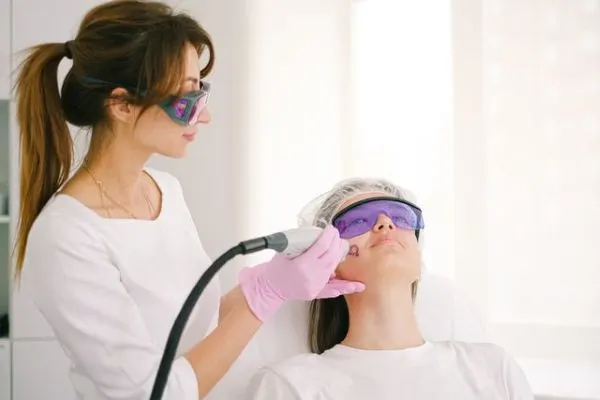
Laser devices deliver controlled energy into the skin. Depending on the device, this energy may target pigment, blood vessels or water within skin tissue. When used appropriately, the treatment can help improve selected skin concerns.
However, laser energy also creates a controlled response in the skin. If the skin experiences excessive inflammation, irritation or thermal injury, pigment-producing cells called melanocytes may become more active. This can lead to additional melanin production and darkening of the treated area.
This type of darkening is often called post-inflammatory hyperpigmentation (PIH). It can occur after several types of skin inflammation or injury, including acne, burns, chemical peels and laser procedures.
5 Reasons Pigmentation May Worsen After Laser Treatment
1. Excessive Heat or Inflammation
Laser energy can cause inflammation as part of the treatment response. If the energy delivered is too aggressive for the skin or the target condition, excessive irritation may trigger post-inflammatory pigmentation.
2. Naturally Higher Pigment Reactivity
People with darker skin tones often have a greater tendency to develop visible post-inflammatory dark marks after skin injury. This does not mean laser treatments are unsuitable, but careful device and setting selection is important.
3. Incorrect Diagnosis of Pigmentation
Not all dark patches are the same. Melasma, sun spots, post-acne marks and deeper pigmentary disorders respond differently. Treating the wrong condition with an unsuitable laser may produce disappointing or worsening results.
4. Sun Exposure After Treatment
UV exposure can stimulate pigment production and aggravate inflammation-related darkening. Inadequate sun protection after a laser procedure may increase the risk of pigmentation changes.
5. Inadequate Preparation or Aftercare
Starting a procedure when the skin is already irritated, inflamed or sensitised can increase complications. Skipping recommended aftercare or using harsh skincare products too soon may also interfere with recovery.
6. A Condition That Naturally Recurs
Conditions such as melasma can return even after initial improvement. Recurrence does not necessarily mean the laser caused the pigmentation, but treatment-related irritation may sometimes aggravate it.
Which Types of Pigmentation Are More Likely to Be Affected?
The underlying cause of pigmentation is one of the most important factors in deciding whether a laser is appropriate. Some pigmentary conditions respond well to selected laser technologies, while others need a more cautious or non-procedural approach.
Melasma
Melasma appears as brown or grey-brown patches, commonly on the cheeks, forehead, upper lip and other sun-exposed areas. It is a chronic, often recurring condition influenced by factors such as sunlight, visible light, hormones and individual predisposition.
Some laser and light-based treatments may be considered in selected cases, usually as part of a broader treatment plan. However, melasma can be difficult to manage, and procedures may trigger irritation, post-inflammatory pigmentation or recurrence. Laser treatment is not automatically the first or best option.
Learn more about melasma treatment options.
Post-Inflammatory Hyperpigmentation
PIH develops when inflammation or injury causes the skin to produce or deposit excess pigment. It may follow acne, eczema, irritation, burns or previous cosmetic procedures.
Because the skin is already responding to inflammation, another procedure may worsen the condition if it causes further irritation. Topical treatment and control of the underlying inflammation are often considered before procedural options.
Sun Spots and Solar Lentigines
Sun spots are flat, well-defined brown patches associated with cumulative sun exposure. Certain pigment-targeting lasers and light-based devices can be effective for appropriately diagnosed lesions.
However, the clinician must first confirm that a spot is benign. A changing, irregular, bleeding or unusual pigmented lesion should be medically assessed rather than treated as a cosmetic spot.
Deeper Pigmentation
Some pigmentary conditions involve melanin deposited deeper in the skin. These can be more challenging to treat, and the choice of laser or other approach requires careful evaluation. Repeated or aggressive procedures may increase the risk of unwanted pigment changes.
Are Laser Treatments Riskier for Indian Skin?
Indian skin includes a wide range of skin tones and pigment responses. Many people have Fitzpatrick skin types III, IV, V or VI, although skin type varies from person to person and should not be assumed from nationality alone.
In darker skin tones, melanin is present in greater amounts in the epidermis. Since many laser devices interact with melanin, some wavelengths and settings can affect surrounding pigment as well as the intended target.
This can increase the possibility of post-inflammatory hyperpigmentation or other pigment changes if the procedure is not appropriately selected and performed.
Read more about laser toning for pigmentation and other skin treatment options.
Can Different Laser Treatments Have Different Pigmentation Risks?
Yes. The word "laser" covers several technologies that work in different ways. Their suitability depends on the condition being treated and the patient's skin characteristics.
| Technology | Common uses | Important pigmentation consideration |
|---|---|---|
| Q-switched Nd:YAG laser | Selected pigmentary concerns and tattoo pigment | Settings and treatment frequency need careful adjustment, particularly in darker skin. |
| Picosecond laser | Selected pigmented lesions and tattoo removal | Not automatically risk-free; diagnosis, wavelength and settings matter. |
| Fractional laser | Selected scars, texture concerns and photoageing | Inflammation and recovery-related pigmentation are possible, especially with aggressive treatment. |
| IPL (Intense Pulsed Light) | Selected sun spots, redness and photoageing | Broad-spectrum light requires particular caution in darker skin tones and certain pigmentary conditions. |
These are broad categories, not treatment recommendations. Different devices within the same category may have different indications and safety profiles. A clinician should select the technology only after examining the pigmentation.
How Can You Reduce the Risk of Pigmentation After Laser Treatment?
Good preparation and aftercare can help reduce the risk of unwanted pigmentation. While no procedure can guarantee that pigmentation will not occur, the following steps are useful:
- Get the correct diagnosis: Identify whether the concern is melasma, PIH, sun spots or another condition before choosing a procedure.
- Discuss your skin history: Mention previous pigmentation after acne, burns, peels or laser treatments, as well as any tendency to develop dark marks.
- Follow skin preparation advice: Your dermatologist may recommend a period of skincare preparation or control of active inflammation before the procedure.
- Choose an appropriate device: The wavelength, energy, pulse settings and treatment approach should be tailored to your skin and diagnosis.
- Follow the recommended treatment schedule: More frequent or stronger sessions do not necessarily produce better results.
- Protect your skin from sunlight: Use a broad-spectrum sunscreen of SPF 30 or higher and follow your clinician's advice about additional visible-light protection when relevant.
- Avoid irritating products during recovery: Do not restart exfoliating acids, retinoids or other active products until your clinician says it is appropriate.
- Attend follow-up appointments: Your skin response should be reviewed before deciding whether another session is appropriate.
What Should You Do If Pigmentation Gets Darker After Laser Treatment?
If the treated area looks darker than before, avoid immediately scheduling another session or trying multiple brightening products. The cause may be temporary post-treatment darkening, PIH, recurrence of the original condition or another reaction that needs assessment.
Here are sensible steps to take:
1. Contact Your Treating Dermatologist
Share when the darkening started, whether it is spreading and whether you have redness, burning, itching, crusting or discomfort.
2. Avoid Further Procedures for Now
Do not undergo another laser session or peel until the skin has been reviewed and the reason for the change is understood.
3. Keep Skincare Gentle
Use only the cleanser, moisturiser and recovery products recommended by your clinician. Avoid scrubbing, picking or applying strong active ingredients without advice.
4. Protect the Area From Sunlight
Use appropriate sunscreen and physical protection such as a hat or shade. Sun exposure can make some forms of pigmentation more persistent.
Are There Alternatives to Laser Treatment for Pigmentation?
Yes. Laser treatment is only one possible option. Depending on the diagnosis, a dermatologist may recommend non-procedural treatment first or combine different approaches.
Topical Treatments
Selected prescription or non-prescription topical ingredients may help reduce excess pigmentation. Depending on the condition, a dermatologist may consider ingredients such as azelaic acid, retinoids, hydroquinone or other pigment-regulating agents. These products are not interchangeable, and some require medical supervision.
Chemical Peels
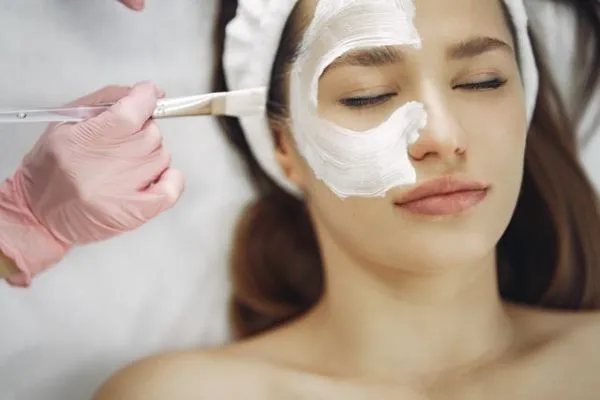
Superficial chemical peels may be considered for selected cases of uneven tone and pigmentation. The peel type and strength should be chosen carefully, as excessive irritation can also cause PIH.
Explore chemical peel treatments.
Laser Toning
In selected cases, low-fluence laser toning may be considered as part of a treatment plan. It still carries a risk of irritation, recurrence or pigment changes, so it should not be assumed to be risk-free or suitable for every type of melasma or PIH.
Sun Protection and Maintenance
Daily sun protection is an important part of managing many pigmentation conditions. Without it, dark marks may persist or return even after a successful treatment.
The best approach may involve a combination of diagnosis-specific skincare, sun protection and carefully selected procedures rather than relying on one treatment alone.
Why a Dermatologist's Assessment Matters Before Laser Treatment
Two people with similar-looking brown patches may have completely different pigmentary conditions. One may have sun spots, another melasma, and another post-acne pigmentation. The same laser treatment may not be appropriate for all three.
During a consultation, a dermatologist may assess:
- The location, colour, pattern and depth of pigmentation.
- Your skin tone and history of post-inflammatory dark marks.
- Whether there is active acne, eczema, irritation or another inflammatory condition.
- Previous procedures and how your skin responded to them.
- Whether topical treatment or another approach should be tried first.
- The likely benefits, risks, recovery period and realistic treatment goals.
This assessment helps avoid unnecessary procedures and makes it easier to select a treatment plan that is appropriate for your skin.
Frequently Asked Questions
1. Can laser treatment permanently damage skin pigmentation?
Laser treatment can occasionally cause persistent pigment changes, including darker or lighter patches. The risk varies with the procedure, settings, skin type and individual response. Most temporary post-inflammatory darkening may improve over time, but persistent changes need medical assessment.
2. Is it normal for pigmentation to look darker immediately after laser treatment?
Some pigment-targeting procedures intentionally cause selected spots to darken or form small superficial crusts before they shed. However, widespread darkening, increasing inflammation or unexpected changes should be discussed with your treating dermatologist.
3. Can laser treatment make melasma worse?
Yes, it can happen in some cases. Melasma is a recurring condition, and procedure-related inflammation or heat may aggravate pigmentation. Laser treatment should be considered selectively and usually as part of a broader management plan.
4. Is laser treatment safe for darker Indian skin?
Some laser treatments can be performed safely on darker skin tones when the correct device and settings are selected. However, the risk of post-inflammatory hyperpigmentation can be higher with certain procedures. An experienced dermatologist should assess your skin before treatment.
5. How long does pigmentation after laser treatment take to fade?
There is no fixed recovery time. Mild post-treatment darkening may settle as the skin heals, while post-inflammatory hyperpigmentation can take several weeks or months to improve. The cause and depth of the pigment influence recovery.
6. Should I repeat laser treatment if the pigmentation has become darker?
No. Do not automatically repeat the procedure. The skin should first be examined to determine whether the darkening is expected temporary change, PIH, recurrence or another complication. Further treatment may need to be postponed or changed.
7. Can sunscreen prevent pigmentation after laser treatment?
Sun protection helps reduce the risk of further darkening, but it cannot eliminate every cause of post-treatment pigmentation. Follow your dermatologist's instructions about sunscreen, shade and other protective measures during recovery.
8. Is laser toning safer than other pigmentation lasers?
Not necessarily for every person or condition. Laser toning uses particular settings and technology, but it can still cause irritation, rebound pigmentation or other side effects. Suitability depends on the diagnosis, device and individual skin response.
Considering Laser Treatment for Pigmentation?
Laser procedures can improve selected pigmentation concerns, but choosing the right treatment is just as important as the technology itself. A proper skin assessment helps identify the cause of pigmentation, evaluate your risk factors and determine whether laser treatment is appropriate.
If you are considering pigmentation treatment in Hyderabad, consult a dermatologist before proceeding with a laser session.
Book a ConsultationMedical disclaimer: This article is intended for general educational purposes and does not replace professional medical advice, diagnosis or treatment. Laser suitability and outcomes vary according to the type of pigmentation, skin tone, device and individual medical history. Consult a qualified dermatologist before undergoing a laser or other cosmetic procedure.