Can Chemical Peels Help With Uneven Skin Tone?
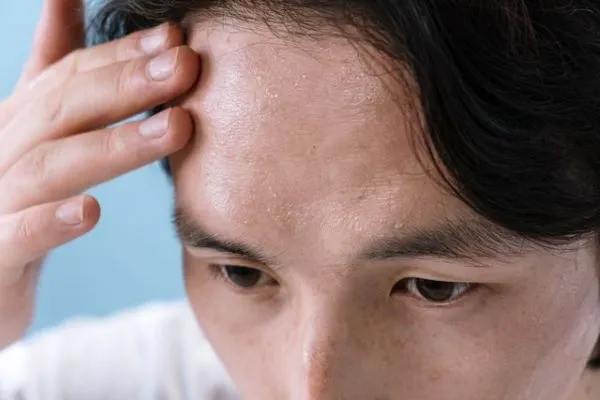
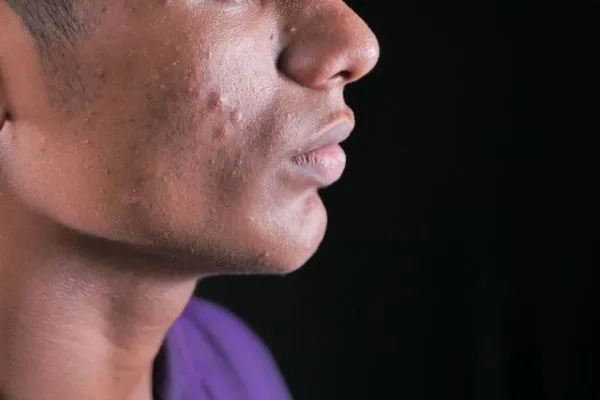
Dark spots, acne marks, patchy pigmentation and a dull-looking complexion can make your skin tone appear uneven. Chemical peels are one option dermatologists may consider to improve certain types of pigmentation and surface discolouration. But are they suitable for every skin type, and what kind of results can you realistically expect?
Yes, chemical peels can help improve some forms of uneven skin tone. They work by exfoliating the outer layers of the skin, encouraging the removal of pigmented surface cells and supporting a smoother, more even-looking complexion.
However, the results depend on what is causing the discolouration. Pigmentation left behind by acne, sun spots and certain forms of melasma may respond differently. A peel that is suitable for one condition may irritate another and potentially make pigmentation more noticeable.
This is particularly important for Indian skin, which may be more prone to post-inflammatory hyperpigmentation after irritation or aggressive procedures. The right peel, strength and treatment schedule should therefore be selected after a proper skin assessment.
What Causes Uneven Skin Tone?
Uneven skin tone is a broad term used to describe areas of the skin that appear darker, lighter or differently coloured than the surrounding skin. It can develop gradually or appear after inflammation, sun exposure or hormonal changes.
Sun damage
Repeated exposure to ultraviolet light can contribute to freckles, sun spots and patchy pigmentation, particularly on exposed areas such as the face, neck and hands.
Post-acne marks
After an acne spot heals, it may leave a flat brown or dark mark. This is known as post-inflammatory hyperpigmentation (PIH).
Melasma
Melasma causes brown or grey-brown patches, commonly on the cheeks, forehead, upper lip and other areas of the face. Sun exposure and hormonal influences can contribute.
Skin irritation
Inflammation from unsuitable skincare products, friction, rashes or other skin conditions can sometimes leave behind dark patches.
Other causes may include certain medications, underlying skin conditions and deeper forms of pigmentation. Identifying the cause is important because not all pigmentation responds to exfoliation in the same way.
How Do Chemical Peels Improve Uneven Skin Tone?
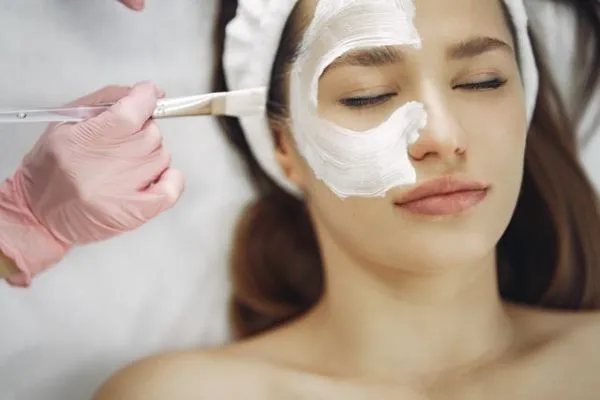
A chemical peel involves applying a carefully selected chemical solution to the skin for a controlled period. Depending on the formulation and strength, it loosens the bonds between surface skin cells and promotes exfoliation.
As the treated skin sheds and renews, superficial pigmented cells may gradually become less noticeable. The treatment can also improve rough texture and dullness in some people.
One important distinction: a chemical peel does not simply erase every type of pigmentation. Superficial peels are generally more useful for pigment located closer to the skin surface. Deeper pigment may need a different treatment approach.
For this reason, a dermatologist may recommend chemical peels as one part of a broader pigmentation plan rather than as a standalone solution.
Which Chemical Peels May Help With Uneven Skin Tone?
Different peeling agents have different properties. The choice depends on your skin condition, sensitivity, skin type, previous treatments and the depth of pigmentation.
Glycolic acid peel
Glycolic acid is an alpha-hydroxy acid (AHA) that exfoliates the skin surface. It may be considered for dullness, uneven texture and some forms of superficial pigmentation.
Lactic acid peel
Lactic acid is another AHA used in superficial exfoliation. Depending on its formulation, it may be considered when a gentler approach to surface exfoliation is preferred.
Salicylic acid peel
Salicylic acid is oil-soluble and is commonly used for acne-prone or oily skin. It may help address acne-related concerns, including some of the marks left after breakouts.
Mandelic acid peel
Mandelic acid is an AHA with a larger molecular structure than glycolic acid. It may be considered for selected patients with acne-prone skin or superficial pigmentation.
Some dermatologists may also use combination formulations or other peeling agents depending on the diagnosis. The concentration alone does not determine how strong or suitable a peel is; formulation, pH, application technique and contact time also matter.
Can Chemical Peels Treat Different Types of Pigmentation?
The potential benefit of a peel varies according to the underlying cause of the uneven skin tone.
| Type of pigmentation | How peels may help | Important consideration |
|---|---|---|
| Post-acne dark marks | May improve some superficial brown marks left after acne. | Active acne and inflammation should also be managed. |
| Sun spots | Selected superficial peels may improve some surface pigmentation. | New or changing spots should be examined before cosmetic treatment. |
| Melasma | May be used as an adjunct in carefully selected cases. | Melasma can recur and may worsen with irritation or excessive treatment. |
| General dullness | Exfoliation may improve surface smoothness and brightness. | Results depend on the cause of dullness and ongoing skincare. |
| Deep or dermal pigmentation | Superficial peels usually have limited benefit. | A different treatment plan may be needed after diagnosis. |
Are Chemical Peels Safe for Indian Skin?
Chemical peels can be performed on Indian skin, but treatment needs careful selection and supervision. Many people with Indian skin tones have a greater tendency to develop post-inflammatory hyperpigmentation after irritation or injury. An overly aggressive peel may therefore create new dark patches or worsen existing pigmentation.
This does not mean that chemical peels should automatically be avoided. It means the dermatologist should consider your skin tone, sensitivity, pigmentation pattern and medical history before choosing a treatment.
What precautions matter?
- Choose a qualified dermatologist or appropriately trained medical professional working within their scope of practice.
- Begin with a suitable superficial peel when clinically appropriate, rather than assuming a stronger peel will produce better results.
- Follow any recommended skin-preparation routine before treatment.
- Avoid unnecessary sun exposure and use broad-spectrum sunscreen consistently.
- Do not pick, scrub or forcibly remove peeling skin during recovery.
- Report a history of keloids, cold sores, skin allergies, recent procedures or medicines that may affect healing.
For people with melasma or a history of pigmentation after irritation, the treatment plan may need additional precautions and maintenance care.
What Happens During a Chemical Peel Treatment?
The exact procedure depends on the peel selected, but a typical appointment may include the following steps.
The dermatologist examines your skin, discusses your concerns and checks for active acne, irritation, infections and other conditions.
The skin is cleansed and prepared. Depending on your skin and the planned peel, a pre-treatment skincare routine may be recommended.
The selected solution is applied carefully for a controlled period. You may notice mild tingling, warmth or stinging.
Depending on the product, the peel is neutralised or removed according to the treatment protocol.
Soothing products and moisturiser may be applied. Your dermatologist explains how to care for your skin at home.
Your response is reviewed before deciding whether another session or a different treatment is appropriate.
How Many Chemical Peel Sessions Are Needed?
There is no single session count that works for everyone. Some people notice a fresher-looking complexion after one superficial peel, while pigmentation concerns often require a planned series of treatments.
The number and spacing of sessions depend on:
- The cause and depth of pigmentation.
- The type and strength of peel selected.
- Your skin's tolerance and recovery after each session.
- Whether topical treatments are also being used.
- How consistently you follow sun protection and aftercare.
Your dermatologist should assess your skin between sessions. Repeating a peel too frequently or increasing its strength without allowing adequate recovery can increase the risk of irritation and pigmentation.
When Will You See Results?
After a superficial peel, the skin may look smoother or brighter once any temporary redness or flaking settles. Improvement in pigmentation is usually gradual and may take several weeks or multiple sessions.
Results also depend on whether the original trigger is controlled. For example, acne-related marks may continue to develop if acne remains active, while sun-related pigmentation can return with ongoing unprotected exposure.
Melasma is particularly prone to recurrence. Even when it improves, maintenance treatment and consistent sun protection are often necessary.
Possible Side Effects and Risks
Temporary redness, dryness, tightness, mild stinging and flaking can occur after a chemical peel. The degree of peeling varies; visible skin shedding is not essential for a treatment to have worked.
Less common but more significant complications can include:
- Prolonged redness or irritation.
- Post-inflammatory hyperpigmentation or worsening of existing dark patches.
- Temporary or persistent light patches.
- Infection or cold sore reactivation in susceptible individuals.
- Scarring, particularly after an excessively strong or improperly performed peel.
Seek medical advice if you develop severe pain, blistering, increasing swelling, pus, fever or worsening redness after treatment. Do not try to manage a significant reaction by applying additional acids or home remedies.
How to Care for Your Skin After a Chemical Peel
Aftercare is an important part of achieving a good result and reducing the risk of complications. Follow the specific instructions provided by your dermatologist.
Use gentle skincare
Choose a mild cleanser and a suitable moisturiser. Avoid unnecessary friction and harsh products while the skin recovers.
Apply sunscreen
Use broad-spectrum SPF 30 or higher as advised, reapply when needed and limit direct sun exposure.
Do not pick or peel
Allow flaking skin to shed naturally. Pulling or scrubbing it can cause irritation and pigmentation.
Pause irritating products
Ask when to restart retinoids, exfoliating acids, scrubs and other active skincare ingredients.
Can You Combine Chemical Peels With Other Pigmentation Treatments?
Sometimes. A dermatologist may recommend combining a peel with a carefully selected skincare routine or another treatment, depending on the type of pigmentation and how your skin responds.
Options may include:
- Topical pigmentation treatments: ingredients such as azelaic acid, vitamin C or prescription depigmenting medicines may be used to help control excess pigment.
- Laser toning: may be considered for selected pigmentation concerns, but requires careful assessment, particularly in darker skin tones.
- Photofacial: certain light-based treatments may help selected forms of sun-related discolouration, but are not suitable for every pigmentation condition.
- Acne management: treating active acne can help prevent new post-acne marks from forming.
Combining procedures does not automatically produce better results. Some treatments can increase irritation when used too close together. Your dermatologist should decide whether a combination is appropriate.
Explore related options: Chemical Peel Treatment, Melasma Treatment, Pigmentation Treatment and Laser Toning.
Who May Not Be Suitable for a Chemical Peel?
A chemical peel may need to be postponed or avoided depending on your skin condition and medical history. Your dermatologist may recommend an alternative if you have:
- Active skin infection, open wounds or significant irritation in the treatment area.
- An active inflammatory skin condition that has not been controlled.
- A recent procedure or treatment that has left the skin sensitive.
- A history of abnormal scarring or a higher risk of pigmentary complications, depending on the peel depth.
- Difficulty following the required aftercare and sun-protection routine.
Pregnancy, breastfeeding, medication use and recent or current acne treatments should also be discussed before a procedure. Suitability is individual, so do not stop prescribed medicines without medical advice.
Frequently Asked Questions
1. Can chemical peels completely remove uneven skin tone?
Not necessarily. Peels may improve some superficial pigmentation and uneven texture, but complete clearance cannot be guaranteed. Results depend on the cause, depth and duration of pigmentation.
2. Which chemical peel is best for pigmentation?
There is no universally best peel. Glycolic, lactic, salicylic and mandelic acid formulations may be considered for different concerns. The right choice depends on your diagnosis, skin sensitivity and pigmentation depth.
3. Are chemical peels safe for dark or Indian skin?
They can be used in appropriately selected patients, but extra care is needed because irritation can trigger post-inflammatory hyperpigmentation. Superficial peels and individualised treatment planning are often preferred over aggressive procedures.
4. Do chemical peels help with acne marks?
They may improve some flat brown marks left after acne. However, indented or raised acne scars are different from pigmentation and may require other treatments.
5. Can chemical peels make pigmentation worse?
Yes. Excessive strength, poor technique, inadequate aftercare or irritation can trigger additional pigmentation. This is why professional assessment and careful treatment selection matter.
6. Is there downtime after a chemical peel?
Downtime depends on the peel. Superficial peels may cause mild redness or flaking, while deeper peels can involve more significant redness, swelling and recovery time. Your dermatologist should explain the expected recovery before treatment.
7. Can I use vitamin C or retinol after a peel?
Not immediately unless your dermatologist specifically advises it. Active ingredients can irritate freshly treated skin. Ask when it is safe to restart each product.
8. Does pigmentation return after a chemical peel?
It can. Conditions such as melasma may recur, and new sun exposure or inflammation can cause additional dark marks. Maintenance skincare and sun protection are important.
9. Can I get a chemical peel at home?
Professional-strength peels should not be attempted at home. Incorrect use of concentrated acids can cause burns, scarring and permanent pigment changes. Even at-home exfoliating products should be used according to their instructions.
So, Are Chemical Peels Worth Considering for Uneven Skin Tone?
Chemical peels can be a useful option for selected cases of uneven skin tone, particularly when the pigmentation is superficial. They may improve the appearance of some acne marks, sun-related discolouration and dullness.
However, the most important step is identifying why your skin tone is uneven. Melasma, post-acne pigmentation and deeper pigmentary conditions need different approaches. A stronger peel is not necessarily a better peel, especially for skin that is prone to pigmentation.
With the right diagnosis, carefully selected treatment and consistent aftercare, chemical peels may form part of a personalised plan for healthier-looking, more even-toned skin.
Considering a Chemical Peel for Uneven Skin Tone?
If you are dealing with dark spots, acne marks, patchy pigmentation or a dull complexion, a dermatologist can assess the cause and help determine whether a chemical peel is appropriate for your skin.
Learn more about chemical peel treatments or contact the clinic to discuss your skin concerns.
Book a Consultation