Acne & Skin Health
Cystic Acne vs Regular Pimples: What's the Difference?
Not all pimples are the same. While regular pimples usually appear closer to the skin's surface, cystic acne develops deeper within the skin and can cause large, painful lumps. Understanding the difference can help you recognise when simple skincare may not be enough and when professional treatment is important.
The short answer
Regular pimples are often smaller and closer to the skin's surface, appearing as whiteheads, blackheads, red bumps or pus-filled spots. Cystic acne involves deeper inflammation and may cause painful, swollen lumps beneath the skin. It has a higher risk of permanent scarring and often needs prescription treatment from a dermatologist.
Almost everyone experiences pimples at some point. A small whitehead before an important event or an occasional red spot may be frustrating, but these breakouts often improve with appropriate skincare and acne treatment.
However, what if the pimple feels like a hard lump beneath the skin? What if it is painful to touch, remains for weeks or repeatedly appears in the same area?
These may be signs of deeper inflammatory acne, commonly referred to as cystic acne. Let's understand how it differs from regular pimples, why it develops and what treatment options are available.
What Is the Difference Between Cystic Acne and Regular Pimples?
The main difference is the depth and severity of inflammation. Regular pimples generally develop closer to the skin's surface, whereas cystic and nodular acne lesions involve deeper inflammation within the skin.
The term "cystic acne" is commonly used to describe severe, deep inflammatory acne. Medically, acne nodules and acne cysts are not exactly the same. Nodules are generally solid and firm, while cysts contain pus and may feel softer. Both can be painful and require appropriate treatment.
Cystic Acne vs Regular Pimples: A Side-by-Side Comparison
| Feature | Regular pimples | Cystic or nodular acne |
|---|---|---|
| Depth | Usually closer to the surface | Deeper inflammation within the skin |
| Appearance | Small bumps, whiteheads, blackheads or pustules | Larger, swollen lumps or deep bumps |
| Pain | Often mild or absent | Can be significantly painful or tender |
| Duration | Often settles sooner | May remain for weeks or longer |
| Scarring risk | Generally lower, but picking can cause scars | Higher, particularly when deep inflammation is prolonged |
| Treatment | May respond to topical products and prescription creams | Often needs prescription treatment and dermatological supervision |
How Do You Know If a Pimple Is Cystic Acne?
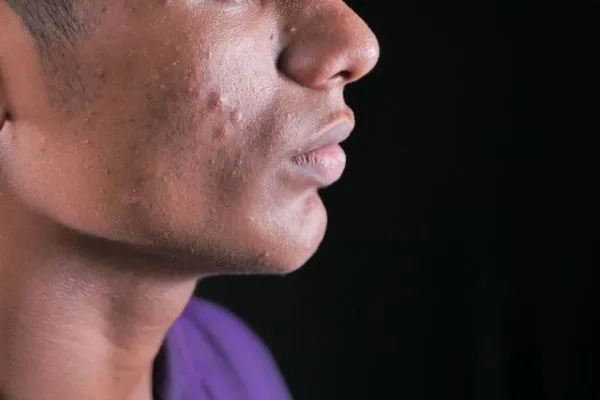
A deep acne lesion may not always have a visible whitehead or opening. Sometimes, you notice a painful bump beneath the skin before you can see much on the surface.
Common signs of cystic or nodular acne include:
- Large, inflamed bumps that feel deep beneath the skin.
- Pain or tenderness, even when the area is not being touched.
- Swelling and redness around the affected area.
- Deep lumps that do not develop a typical whitehead.
- Breakouts that remain for an extended period or repeatedly return.
- Dark marks, depressed scars or raised scars after the inflammation settles.
Deep acne commonly affects the face, jawline, neck, chest and back. Having one painful pimple does not automatically mean you have cystic acne. A dermatologist can assess the type and severity of your breakouts.
What Causes Cystic Acne?
Like other forms of acne, cystic acne develops when hair follicles become blocked by excess sebum and dead skin cells, followed by inflammation. Several factors can contribute to the process.
Excess oil production
Sebum helps protect the skin, but excess oil can contribute to clogged pores and acne formation.
Blocked hair follicles
Dead skin cells and sebum can accumulate inside follicles, creating the conditions for acne lesions to develop.
Inflammation
Inflammation around blocked follicles can produce deeper, swollen and painful acne lesions.
Hormonal influences
Hormonal changes can influence oil production and contribute to acne, particularly during puberty and in some adults.
Family history
A family history of severe acne may increase the likelihood of developing more persistent or deep inflammatory breakouts.
Certain medications
Some medicines may trigger or worsen acne-like breakouts. Discuss new or persistent acne with your doctor, particularly if it started after a medication change.
Acne is not caused simply by poor hygiene. Washing your face excessively or scrubbing aggressively will not clear deep acne and may make irritation worse.
Who Is More Likely to Develop Cystic Acne?
Although acne is commonly associated with teenagers, deep inflammatory acne can affect adults as well.
- Teenagers: Hormonal changes during puberty can increase oil production and contribute to inflammatory acne.
- Adults: Some people continue to experience severe acne into adulthood or develop it for the first time later in life.
- People with a family history: Genetics can influence acne severity and the likelihood of developing deep lesions.
- People experiencing hormonal changes: Certain hormonal conditions may contribute to persistent acne. In women, acne accompanied by irregular periods or excess facial hair may warrant evaluation for an underlying hormonal condition such as PCOS.
Treatment Options: Cystic Acne vs Regular Pimples
Treatment depends on the type of acne, how severe it is, the areas affected and whether scarring is developing. A treatment that works for occasional surface pimples may not be sufficient for deep nodular or cystic acne.
1. Treatment for regular pimples
Mild acne may respond to topical treatments that help unclog pores, reduce inflammation and control acne-causing processes. Depending on the individual, options may include:
- Benzoyl peroxide: Helps reduce acne-causing bacteria and inflammation.
- Salicylic acid: Helps exfoliate inside pores and may be useful for blackheads and clogged pores.
- Topical retinoids: Help prevent clogged pores and are commonly used in acne management.
- Azelaic acid: May help manage acne and some of the dark marks left behind.
Not every product is suitable for every skin type. A dermatologist can recommend an appropriate routine and help avoid irritation from combining too many active ingredients.
2. Prescription treatment for cystic acne
Deep, painful acne often needs medical treatment because topical products alone may not adequately control inflammation beneath the skin.
Depending on the severity, a dermatologist may consider:
- Prescription topical medication: Retinoids and other topical medicines may form part of a treatment plan, particularly when surface acne is also present.
- Oral antibiotics: May be prescribed for selected cases of moderate to severe inflammatory acne, generally for a limited period and alongside appropriate topical treatment.
- Hormonal treatment: Certain options may be considered for women with hormonally influenced acne, depending on their medical history and suitability.
- Oral isotretinoin: A prescription medicine that may be considered for severe, persistent or scarring acne when appropriate. It requires specialist supervision, monitoring and strict pregnancy-prevention precautions for anyone who could become pregnant.
Do not self-medicate with oral antibiotics, hormonal medicines or isotretinoin. These treatments require an individual medical assessment and appropriate monitoring.
3. Dermatologist-administered treatment for individual painful lesions
For a particularly large and painful acne nodule or cyst, a dermatologist may consider an intralesional corticosteroid injection to reduce inflammation and discomfort more quickly. This is a targeted procedure for selected lesions, not a replacement for an overall acne treatment plan.
In certain cases, a dermatologist may also consider a clinical procedure such as drainage for a large, persistent cyst. These procedures should never be attempted at home.
4. Treatment for acne scars after cystic acne
Deep inflammatory acne can damage the skin's supporting tissue and leave depressed or raised scars. Once active acne is controlled, a dermatologist can assess the type of scarring and discuss suitable options.
Depending on the scar type and skin condition, treatment options may include microneedling, selected laser procedures, subcision or other scar-specific treatments. Not every procedure is suitable for every scar, and active acne usually needs to be controlled before scar treatment begins.
Explore our acne scar reduction and dermaroller treatment pages to learn more.
For professional assessment of active breakouts, you can also explore acne treatments.
What Should You Avoid If You Have Cystic Acne?
Deep acne can be painful and tempting to squeeze, particularly when a large lump appears on the face. However, trying to force it to drain can increase inflammation and damage surrounding tissue.
Common mistakes to avoid
- Do not squeeze, puncture or attempt to drain deep acne lumps.
- Avoid harsh scrubs and excessive exfoliation.
- Do not apply toothpaste, lemon juice or other irritating home remedies.
- Avoid repeatedly switching acne products before giving an appropriate treatment plan time to work.
- Do not use prescription acne medication without medical guidance.
- Do not delay a consultation if deep painful lesions or scars are developing.
Use a gentle cleanser, suitable non-comedogenic moisturiser and sunscreen. Avoid over-washing your face, as excessive cleansing can irritate acne-prone skin.
When Should You See a Dermatologist?
Consider a dermatology consultation if you experience any of the following:
- Large, deep or painful acne lumps.
- Repeated breakouts that do not improve with basic acne care.
- Acne affecting your face, chest, back or multiple areas.
- New or worsening acne scars.
- Dark marks that remain after breakouts settle.
- Acne that is affecting your confidence or emotional well-being.
Early treatment is particularly important for deep inflammatory acne because it can help reduce ongoing inflammation and the risk of permanent scarring. You do not need to wait until acne becomes severe before seeking professional advice.
Frequently Asked Questions
1. How can I tell if a pimple is cystic acne?
Cystic or nodular acne usually appears as a deep, swollen and painful lump beneath the skin. It may not have a visible whitehead and can remain for weeks. A dermatologist can confirm whether it is deep inflammatory acne or another type of skin lesion.
2. Can cystic acne go away on its own?
Some individual lesions may gradually settle, but deep inflammatory acne can persist, recur or leave permanent scars. Medical assessment and appropriate treatment are recommended, especially when multiple painful lumps develop.
3. Does cystic acne always leave scars?
No, but cystic and nodular acne have a greater risk of permanent scarring than many superficial breakouts. The risk can increase with prolonged inflammation, picking and squeezing. Early treatment can help reduce the likelihood of scarring.
4. Why are my pimples painful but have no whitehead?
A painful bump without a visible whitehead may be a deep acne nodule or cyst. These lesions develop below the skin's surface, so they may feel painful even when little is visible. Other skin conditions can also cause painful lumps, so persistent or unusual lesions should be examined.
5. Can regular pimples turn into cystic acne?
Different acne lesions can occur at the same time, and acne severity can change. A superficial pimple does not necessarily turn into a cyst, but acne can become more inflammatory or develop deeper lesions. Persistent or worsening breakouts deserve assessment.
6. Is cystic acne caused by poor hygiene?
No. Acne is influenced by oil production, blocked follicles, inflammation, hormones and genetics. Excessive washing and harsh scrubbing can irritate the skin without addressing the underlying cause.
7. How long does cystic acne treatment take?
Improvement depends on the severity of acne and the treatment prescribed. Many acne treatments take several weeks to show noticeable results, and a full treatment plan may take several months. Regular follow-up helps your dermatologist assess progress and adjust treatment when needed.
8. Can cystic acne be treated without surgery?
Yes. Most cystic acne is managed with medical treatments rather than surgery. Depending on the severity, a dermatologist may recommend prescription topical medicines, oral medication or targeted injections for selected painful lesions.
The Bottom Line
Regular pimples and cystic acne may look similar at first, but their depth, pain and risk of scarring can be very different. While mild breakouts may respond to topical skincare, deep and painful acne often requires prescription treatment.
Avoid squeezing deep acne lesions or relying on home remedies. If you have recurring painful lumps, persistent inflammation or early signs of scarring, consult a dermatologist for an appropriate treatment plan. Addressing acne early can help protect your skin and reduce the risk of long-term marks and scars.
Struggling With Painful or Persistent Acne?
If your breakouts are deep, painful or leaving scars, a dermatology consultation can help identify the type of acne and determine which treatment options may be suitable.
Contact the ClinicMedical disclaimer: This article is for general educational purposes only and does not replace professional medical advice, diagnosis or treatment. Acne severity and treatment suitability vary from person to person. Consult a qualified dermatologist for an individual assessment.
For enquiries you can get in touch with us at info@drkeerthanakalva.com