How Pollution Affects Your Skin More Than You Think
Air pollution does more than affect the quality of the air you breathe. Everyday exposure to pollutants can contribute to oxidative stress, irritation, pigmentation, dullness and visible signs of premature skin ageing.
```If you live in a busy city, your skin is exposed to environmental stressors every day. Traffic emissions, particulate matter, dust and other pollutants can settle on the skin and contribute to processes that affect the skin barrier and overall appearance.
You may notice that your skin looks duller, more tired, uneven or congested after spending a long time outdoors. While pollution is not the only cause of these concerns, repeated environmental exposure can be one factor contributing to them.
What Can Pollution Do to Your Skin?
Increase Dullness
Environmental exposure can contribute to a tired-looking complexion.
Worsen Uneven Tone
Pollution-related oxidative stress may contribute to pigmentation pathways.
Promote Visible Ageing
Chronic environmental stress can contribute to premature-looking skin changes.
Stress the Barrier
Environmental irritants can contribute to dryness and sensitivity in some people.
What Does Air Pollution Actually Contain?
Air pollution is not a single substance. It can contain a mixture of particulate matter, gases and other environmental contaminants. Fine particulate matter such as PM2.5 is particularly important because its small particle size allows it to penetrate deeply into the respiratory system.
From a skin perspective, pollutants can also interact with the skin surface and contribute to oxidative stress and inflammation. The exact effect depends on the type and concentration of pollutants, duration of exposure, individual skin characteristics and other environmental factors.
Common environmental pollutants include:
1. Pollution Can Increase Oxidative Stress
One of the major ways environmental pollutants may affect the skin is through oxidative stress. Reactive oxygen species can damage cellular structures when antioxidant defenses are overwhelmed.
Repeated oxidative stress may contribute to inflammation and changes associated with premature skin ageing. This is one reason environmental exposure is considered alongside factors such as UV radiation, smoking and lifestyle when discussing skin ageing.
The simplified chain:
2. Why Does Pollution Make Skin Look Dull?
Dull-looking skin can have many causes, including dehydration, accumulation of dead skin cells, lack of sleep, sun exposure and an inappropriate skincare routine. Environmental exposure may add another layer of stress.
Pollutants and particles can accumulate on the skin surface along with oil, sweat and other impurities. If the skin is not cleansed appropriately, this buildup can contribute to a less fresh-looking complexion.
Environmental Buildup
Particles can settle on exposed skin throughout the day.
Dehydration
Environmental conditions can contribute to dryness or discomfort in some people.
Surface Buildup
Dead skin cells and excess oil can contribute to a rough or dull appearance.
3. Can Pollution Cause Pigmentation?
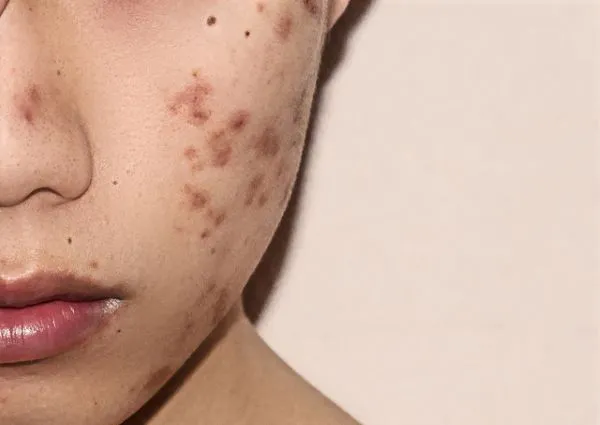
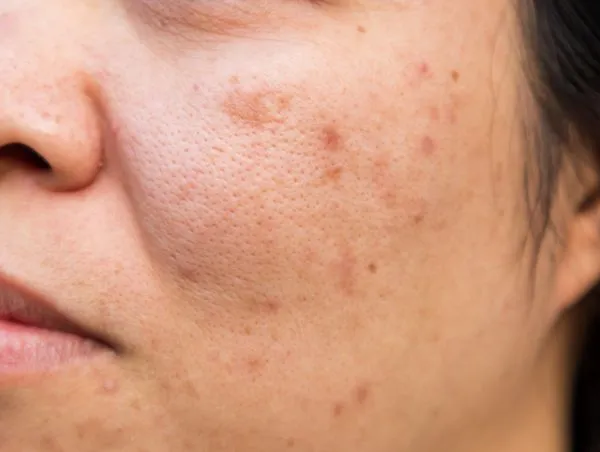
Pollution is not the only cause of pigmentation, but research has linked exposure to certain air pollutants with oxidative stress and pathways involved in skin pigmentation.
Pigmentation can also be influenced by UV exposure, hormonal changes, acne or inflammation, medications and individual skin characteristics. For this reason, persistent pigmentation should not automatically be attributed to pollution.
If pigmentation is persistent, worsening or appearing in an unusual pattern, identifying the underlying cause is more useful than simply treating it as “pollution damage.”
4. Pollution May Contribute to Premature Skin Ageing
Skin ageing is influenced by genetics, natural ageing, UV radiation, lifestyle and environmental exposures. Air pollution is increasingly recognized as another environmental stressor that may contribute to visible ageing.
Oxidative stress and inflammation can affect processes involved in maintaining healthy skin structure. Over time, this may contribute to concerns such as uneven tone, dullness, fine lines and loss of a healthy-looking complexion.
Fine Lines
Environmental stress may contribute to processes associated with premature-looking skin.
Uneven Tone
Pollution can act alongside UV exposure and other factors affecting pigmentation.
Dullness
Environmental stress can contribute to a tired-looking complexion.
5. Can Pollution Make Acne Worse?
Acne has multiple contributing factors, including sebum production, follicular blockage, inflammation, hormones and genetics. Environmental exposure may influence the skin environment, but pollution should not be considered the sole cause of acne.
If you have oily or acne-prone skin, keeping the skin clean without over-washing or aggressively scrubbing is important. Using products that are appropriate for your skin type may also help reduce unnecessary irritation.
```6. Pollution Can Stress the Skin Barrier
Your skin barrier helps limit water loss and protects against environmental irritants. Repeated exposure to environmental stressors may contribute to barrier disruption, particularly when combined with harsh cleansing, excessive exfoliation or unsuitable skincare products.
- Dryness
- Tightness
- Flaking
- Increased sensitivity
- Gentle cleansing
- Appropriate moisturization
- Sun protection
- Avoiding excessive exfoliation
How to Protect Your Skin From Pollution
You cannot completely eliminate exposure to outdoor pollution, but a sensible skincare routine can help reduce some of its impact and support your skin barrier.
Cleanse Gently
Cleanse your skin appropriately after outdoor exposure without excessive scrubbing.
Moisturize
Use a moisturizer suited to your skin type to support the skin barrier.
Use Sunscreen
Daily broad-spectrum sun protection remains essential, especially because UV exposure can also contribute to pigmentation and ageing.
Consider Antioxidants
Certain antioxidant ingredients may complement a well-designed skincare routine.
What Not to Do After Pollution Exposure
Harsh scrubbing can irritate the skin and compromise the barrier.
Repeated harsh cleansing may worsen dryness and sensitivity.
Pollution protection does not replace protection from UV radiation.
Too many exfoliating or active products can unnecessarily irritate the skin.
Professional Treatments for Pollution-Related Skin Concerns
If your skin has developed persistent dullness, pigmentation, congestion or uneven texture, professional treatment may complement your home skincare routine. The appropriate procedure depends on the actual cause of the concern.
Medifacials
May help refresh dull-looking, dehydrated or congested skin.
Chemical Peels
Selected peels can improve dullness, texture and certain pigmentation concerns.
Carbon Peel
Can be considered for selected concerns involving oiliness, congestion and dull-looking skin.
Pigmentation Treatment
Persistent pigmentation may require a targeted treatment plan based on its cause.
Laser Toning
May be considered for selected pigmentation and uneven-tone concerns.
Skin Brightening
Designed to improve the appearance of dull or uneven-looking skin.
Why Pollution Protection Matters in a Busy City
People who regularly commute, spend long hours outdoors or live in areas with significant traffic and particulate exposure may notice that their skin becomes more prone to dullness, congestion or irritation.
This does not mean that every skin problem is caused by pollution. However, environmental protection can be an important part of a broader skincare strategy, alongside sun protection, appropriate cleansing, moisturization and treatment of specific skin conditions.
```A Simple Anti-Pollution Skincare Routine
Frequently Asked Questions
How does air pollution affect your skin?
Air pollution can contribute to oxidative stress and inflammation and may affect the skin barrier. Repeated exposure can contribute to concerns such as dullness, uneven pigmentation and premature-looking skin changes.
Can pollution cause pigmentation?
Pollution may contribute to pathways involved in pigmentation, but it is only one possible factor. UV exposure, hormonal changes, inflammation and other causes can also contribute to pigmentation.
Can air pollution cause acne?
Acne has several causes, and pollution is not considered the sole cause. Environmental exposure may influence the skin environment, particularly in people who already have oily or acne-prone skin.
Does washing my face remove pollution?
Gentle cleansing can help remove surface particles, oil and other residues that accumulate during the day. However, cleansing cannot reverse all effects associated with environmental exposure.
Does sunscreen protect skin from pollution?
Sunscreen primarily protects against ultraviolet radiation rather than acting as a complete pollution shield. However, sun protection remains an important part of protecting skin from environmental damage.
Can a facial remove pollution damage?
Professional treatments such as medifacials can help cleanse, exfoliate or hydrate the skin and may improve its appearance. They should not be described as literally removing all pollution-related damage.
What is the best treatment for pollution-damaged skin?
There is no single best treatment. The appropriate option depends on the specific concern. A dermatologist may recommend skincare, medifacials, chemical peels, pigmentation treatments or other procedures depending on your skin.
The Bottom Line
Pollution can affect your skin in more ways than simply making it look dirty. Repeated exposure to environmental pollutants may contribute to oxidative stress, inflammation, barrier disruption, dullness, uneven pigmentation and premature-looking skin changes.
The good news is that protecting your skin does not require a complicated routine. Gentle cleansing, appropriate moisturization, daily sunscreen and a consistent skincare routine form the foundation. If persistent pigmentation, acne, dullness or texture problems develop, targeted professional treatment may be appropriate.
Your skin faces environmental stress every day — protecting it every day matters too.
```Is Pollution Making Your Skin Look Dull or Uneven?
If you are dealing with persistent dullness, pigmentation, congestion or uneven skin texture, a professional skin assessment can help identify the underlying concern and determine an appropriate treatment plan.
Explore Medifacials Pigmentation Treatment Book a Consultation ```Medical note: Pollution is one of several factors that can affect skin health. Individual skin concerns can have multiple causes, and persistent acne, pigmentation, irritation or other changes should be assessed by a qualified dermatologist.
For enquiries you can get in touch with us at info@drkeerthanakalva.com