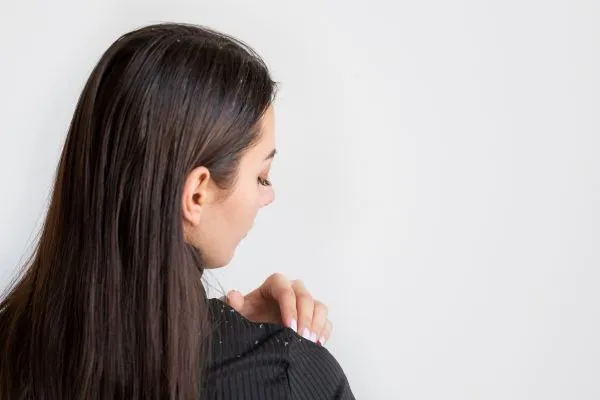
Common Causes of Itchy Scalp Beyond Dandruff
An itchy scalp is often blamed on dandruff, but dandruff is only one possible cause. Persistent itching can also be linked to skin conditions, allergies, infections, irritation, or even certain hair-care habits.
Understanding what is causing the itch is important because the right treatment depends on the underlying scalp condition.
Possible Causes
- Dry or irritated scalp
- Scalp psoriasis
- Seborrheic dermatitis
- Hair-product allergies
- Fungal infections
- Folliculitis and other scalp conditions
Is an Itchy Scalp Always Dandruff?
No. Dandruff is a common cause of scalp itching, but it is not the only one. Several different conditions can produce similar symptoms, including itching, flaking, redness, dryness, burning, or irritation.
In some cases, the scalp may itch even when there are very few visible flakes. This is why persistent or severe scalp itching should not automatically be treated as dandruff without considering other possible causes.
A dermatologist can examine the scalp and determine whether the symptoms are related to dandruff, inflammation, infection, allergy, or another scalp condition.
Common Causes of an Itchy Scalp Beyond Dandruff
Here are some of the more common reasons your scalp may itch even when dandruff isn't the main problem.
1. Dry Scalp
Cold weather, low humidity, hot showers, and harsh shampoos can sometimes strip the scalp of natural oils and cause dryness and itching.
2. Scalp Psoriasis
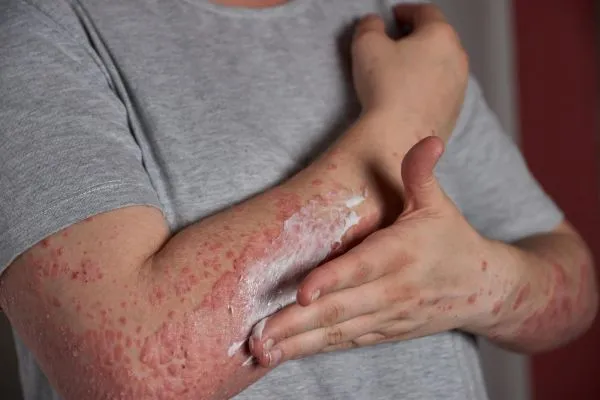
Psoriasis can affect the scalp and cause thickened, scaly patches accompanied by itching or irritation.
3. Contact Dermatitis
Hair dyes, shampoos, conditioners, fragrances, styling products, or other ingredients can trigger irritation or an allergic reaction.
4. Fungal Infection
Certain fungal infections can affect the scalp and may cause itching, scaling, inflammation, or areas of hair loss.
5. Folliculitis
Inflammation around hair follicles can cause itchy or tender bumps and may sometimes be associated with infection.
6. Head Lice
Lice can cause significant scalp itching, particularly around the ears and the back of the neck. Nits may be attached firmly to individual hair shafts.
Itchy Scalp: What Could Be Causing It?
| Possible Cause | Common Symptoms | What May Help |
|---|---|---|
| Dry Scalp | Dryness, mild flakes, tightness and itching | Gentle scalp care and appropriate moisturising products |
| Psoriasis | Thick scales, plaques, redness and itching | Dermatologist-guided treatment |
| Contact Dermatitis | Itching, burning, redness or rash after exposure to a product | Identifying and avoiding the triggering ingredient |
| Fungal Infection | Itching, scaling, inflammation and sometimes hair loss | Appropriate antifungal treatment after diagnosis |
| Folliculitis | Itchy, tender or inflamed bumps around follicles | Treatment depends on the underlying cause |
Symptoms can overlap between different scalp conditions. This table is for general information and does not replace a professional diagnosis.
Could Your Hair Products Be Causing the Itching?
Sometimes the cause of an itchy scalp is sitting on your bathroom shelf. Shampoos, conditioners, hair dyes, fragrances, gels, sprays, oils, and other styling products can irritate sensitive skin or trigger contact dermatitis.
If itching began soon after introducing a new hair product or changing your hair-care routine, consider discussing the reaction with a dermatologist. Identifying the specific trigger can help prevent repeated irritation.
Scalp Psoriasis vs Dandruff
Scalp psoriasis and dandruff can look similar, but they are different conditions. Both can cause flakes and itching, making it difficult to distinguish them based on symptoms alone.
Scalp Psoriasis
- May cause thicker plaques
- Scales can be more prominent
- May extend beyond the hairline
- Can affect other parts of the body
- May be associated with nail or joint symptoms
Dandruff
- Often causes visible flakes
- Can be associated with scalp oiliness
- Usually does not form thick plaques
- May improve with appropriate anti-dandruff treatment
- Can recur over time
When an Itchy Scalp May Need Medical Attention
Occasional mild itching may not be concerning. However, persistent or intense itching deserves attention, particularly when it is accompanied by other symptoms.
- Patchy hair loss
- Significant redness or swelling
- Pus-filled or painful bumps
- Thick scaling or crusting
- Bleeding caused by scratching
- Persistent rash
- Symptoms that do not improve with basic scalp care
These symptoms can occur with several different scalp conditions, so an examination may be necessary to determine the cause.
Can an Itchy Scalp Cause Hair Loss?
An itchy scalp does not automatically mean that you will experience hair loss. However, some conditions that cause scalp itching can also affect the hair follicles or lead to temporary shedding.
Repeated scratching can also damage the scalp and worsen irritation. If itching occurs together with noticeable hair loss, bald patches, or changes in the scalp, professional evaluation is recommended.
Reduce Scratching
Keeping nails short and avoiding aggressive scratching can reduce additional irritation.
Look for Other Symptoms
Notice whether there is scaling, redness, bumps, crusting or hair loss.
Get the Cause Checked
A dermatologist can determine whether the itching is related to inflammation, infection, allergy or another condition.
Simple Tips for a Healthier Scalp
Use Gentle Products
Choose hair-care products suited to your scalp and avoid products that consistently cause burning or irritation.
Avoid Very Hot Water
Very hot showers can worsen dryness and irritation in some people.
Don't Overuse Treatments
Frequent chemical treatments and excessive styling can irritate a sensitive scalp.
Don't Ignore Persistent Itching
If symptoms continue despite changing your routine, consider getting the scalp evaluated.
Quick Guide: What Does Your Itchy Scalp Look Like?
| If You Notice... | Possible Explanation |
|---|---|
| Itching with thick, defined plaques | Scalp psoriasis may be one possibility |
| Itching after using a new hair product | Irritation or contact dermatitis may be involved |
| Itching with patchy hair loss | A scalp infection or another scalp condition should be considered |
| Itching with small inflamed bumps | Folliculitis or another inflammatory condition may be involved |
| Itching with visible loose flakes | Dandruff or another scaling condition may be responsible |
These symptoms can overlap. A dermatologist should make the final diagnosis.
Persistent Scalp Problems? Get the Right Treatment
Scalp & Hair Health
Persistent itching, scaling, inflammation, or scalp changes may need a professional assessment. Identifying the underlying condition is the first step towards choosing appropriate treatment.
Explore Hair & Scalp TreatmentsItchy Scalp: Myth vs Fact
Myth
Every itchy scalp is caused by dandruff.
Fact
Itching can also be caused by psoriasis, dermatitis, infections, folliculitis, lice, dryness, and other scalp conditions.
Myth
Scratching is the best way to relieve an itchy scalp.
Fact
Frequent scratching can further irritate the scalp and may worsen inflammation or cause skin damage.
Frequently Asked Questions
Why is my scalp itchy if I don't have dandruff?
An itchy scalp without obvious dandruff can have several causes, including dry skin, scalp psoriasis, contact dermatitis, fungal infections, folliculitis, lice, or irritation from hair products.
Can hair products cause an itchy scalp?
Yes. Ingredients in shampoos, conditioners, hair dyes, fragrances, styling products, and other treatments can irritate the scalp or cause an allergic reaction in some people.
Can scalp psoriasis cause itching?
Yes. Scalp psoriasis commonly causes itching along with scaling and inflamed or thickened patches.
Can a fungal infection cause an itchy scalp?
Yes. Certain fungal infections can cause itching, scaling, inflammation, and sometimes patchy hair loss. Appropriate treatment depends on confirming the diagnosis.
Can an itchy scalp cause hair loss?
Itching itself does not necessarily cause hair loss, but some underlying scalp conditions can affect the hair follicles. Persistent itching accompanied by hair loss should be evaluated by a dermatologist.
How can I stop an itchy scalp?
The best approach depends on the cause. Gentle scalp care may help mild irritation, but persistent symptoms may require specific treatment for conditions such as psoriasis, dermatitis, infection, or folliculitis.
When should I see a dermatologist for an itchy scalp?
See a dermatologist if itching is persistent, severe, recurrent, or accompanied by hair loss, painful bumps, significant redness, thick scaling, crusting, or other unusual changes.
Don't Ignore Persistent Scalp Itching
Dandruff is only one possible cause of an itchy scalp. If your symptoms keep returning or are accompanied by redness, scaling, bumps, or hair loss, identifying the underlying condition can help you get the right treatment.
Book a Dermatology ConsultationFor enquiries you can get in touch with us at info@drkeerthanakalva.com