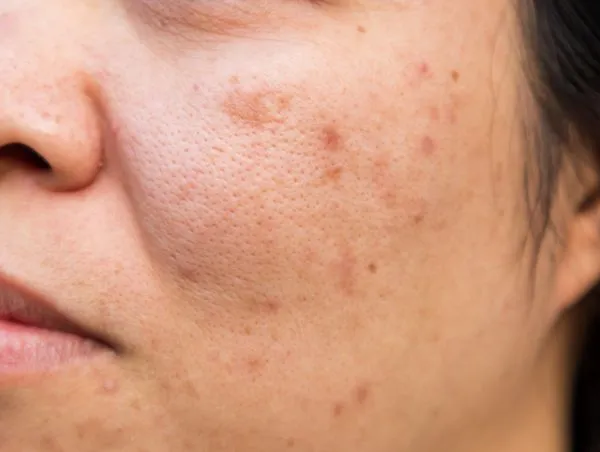
What Causes Large-Looking Pores and Can They Be Reduced?
Noticeable pores around your nose, cheeks or forehead can make your skin look uneven, especially in bright light. Discover why pores become more visible and which skincare habits and dermatological treatments may help improve their appearance.
Why Do My Pores Look So Large?
Pores are tiny openings in the skin that allow sebum, or natural skin oil, to reach the surface. They are a normal part of healthy skin and help maintain its protective barrier.
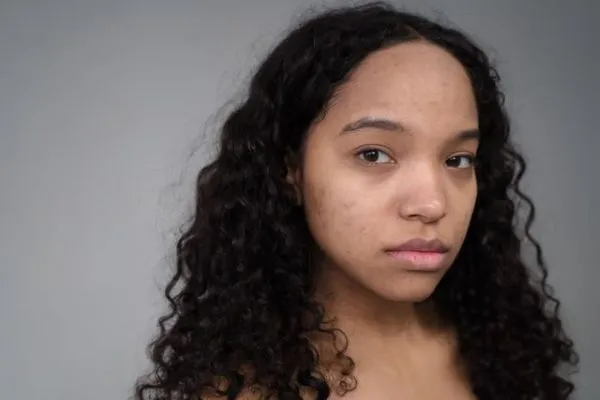
However, pores can appear more prominent when they contain excess oil and debris, when blackheads develop, or when the surrounding skin loses some of its firmness. Genetics and natural skin characteristics also influence how visible your pores are.
Although pores cannot be permanently closed or removed, their appearance may be reduced by managing oiliness, keeping pores clear, protecting skin from sun damage and choosing appropriate treatments for your skin type.
The important distinction
Pores are normal. Their visibility varies naturally from person to person.
Oil and congestion can make pores look more noticeable.
Skin texture and firmness can also affect how prominent pores appear.
Large Pores at a Glance
Genetics Matter
Your natural skin characteristics influence pore visibility.
Oil Plays a Role
Excess sebum can make pores appear more prominent.
Sun Protection Helps
Protecting collagen helps support skin firmness over time.
Treatment Is Personalised
The right approach depends on oiliness, congestion and skin texture.
What Causes Large-Looking Pores?
Several factors can contribute to visible pores. More than one may be present at the same time.
1. Excess Oil Production
Sebum helps protect the skin, but higher oil production can make pores more noticeable, particularly around the nose, forehead and cheeks.
2. Clogged Pores and Blackheads
A buildup of oil and dead skin cells can contribute to comedones, including blackheads, making pore openings appear more prominent.
3. Genetics
Some people naturally have more visible pores. If large-looking pores run in your family, skincare may improve their appearance without completely changing their natural size.
4. Ageing and Reduced Firmness
Changes in collagen, elasticity and skin support over time can make pores appear more noticeable, even if oil production has not increased.
5. Sun Damage
Long-term ultraviolet exposure contributes to collagen damage and changes in skin texture, which can make pores more visible.
6. Acne and Uneven Texture
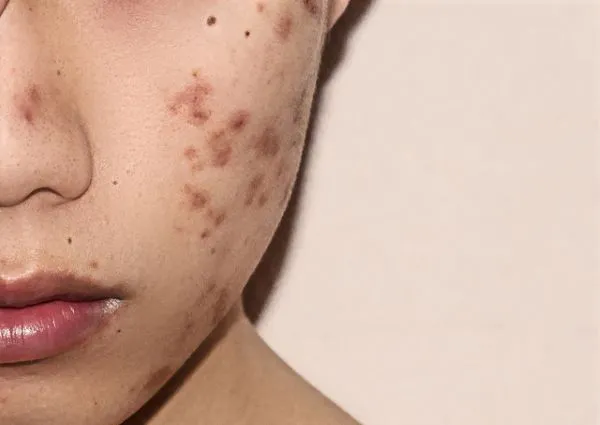
Blackheads, recurring acne and certain acne scars can create an uneven surface that draws attention to pores and surrounding skin texture.
Why Are Pores More Visible in Certain Areas?
Nose
Oil glands are prominent in this area, and blackheads or oil buildup can make pores stand out.
Cheeks
Genetics, sun exposure, ageing and acne-related texture changes may contribute to visible pores.
Forehead
Oil production and congestion can make pores more noticeable, particularly in oily skin.
The location of visible pores can offer clues, but it does not identify the cause on its own. A skincare routine should be tailored to your overall skin type and concerns.
Can You Actually Open or Close Your Pores?
Pores do not open and close like doors. Their appearance can change depending on oil, congestion, lighting and the condition of the surrounding skin, but you cannot permanently close them with a cleanser, ice cube or face mask.
| Common belief | What is more accurate? |
|---|---|
| Hot water opens pores. | Warm water may soften surface oil, but it does not open pores like doors. |
| Ice permanently closes pores. | Cooling may temporarily change the skin's appearance, but it does not permanently shrink pores. |
| Scrubbing removes large pores. | Aggressive scrubbing can irritate skin and make texture concerns more noticeable. |
| Expensive products erase pores. | Some ingredients can improve their appearance, but results vary and pores remain a normal skin feature. |
How to Make Pores Look Less Noticeable at Home
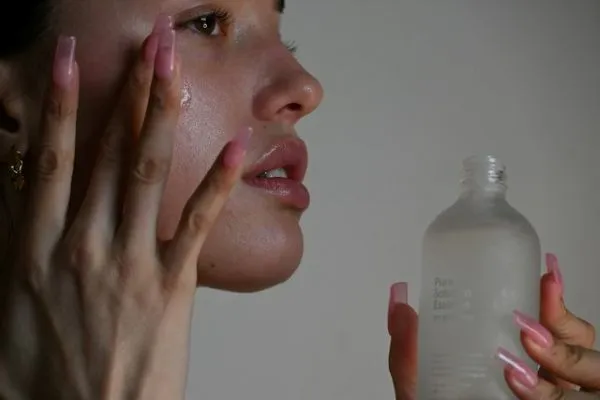
A consistent routine is often the best place to start. The aim is to manage excess oil and congestion without damaging the skin barrier.
1. Cleanse Gently
Use a gentle cleanser appropriate for your skin type. Avoid repeatedly washing or scrubbing your face in an attempt to remove every trace of oil.
2. Consider Niacinamide
Niacinamide may help support the skin barrier and manage oiliness in some people. Results depend on the formulation and individual skin response.
3. Use Suitable Exfoliating Ingredients
Salicylic acid may help with oily skin and clogged pores. Start cautiously and avoid combining too many exfoliating products at once.
4. Apply Sunscreen
Daily broad-spectrum sunscreen helps protect collagen and supports long-term skin health.
5. Moisturise
Choose a moisturiser suited to your skin. Oily skin also needs hydration, and over-drying the face can lead to irritation.
6. Be Consistent
Give a suitable routine time to work and assess progress over several weeks rather than changing products every few days.
If you are considering a retinoid, particularly if you have sensitive skin or are pregnant or planning pregnancy, seek appropriate medical guidance before using it.
Professional Treatments for Large-Looking Pores
When skincare alone is not enough, selected dermatological treatments may help improve pore visibility, oil-related congestion or the texture of the surrounding skin. No single procedure is suitable for everyone.
1. Chemical Peels
Selected chemical peels may help reduce congestion, improve skin texture and address some acne-related concerns. The peel should be chosen according to skin type and diagnosis.
2. Microdermabrasion
Microdermabrasion exfoliates the skin's surface and may improve mild roughness. It does not permanently shrink pores, and its benefits depend on the concern being treated.
3. Microneedling
Dermaroller or microneedling treatments may help selected patients with uneven texture and certain acne scars. They are not necessary for everyone with visible pores.
4. Laser Resurfacing
Laser resurfacing may be considered when texture changes or acne scarring contribute to prominent pores. The potential benefits and risks depend on the device, settings and skin type.
5. Medifacials
Selected medifacials may help with surface cleansing and temporary improvements in skin appearance. They should not be presented as a permanent solution for pore size.
6. Personalised Skin Rejuvenation
If pores appear prominent because of several factors, a dermatologist may recommend a tailored combination of skincare and procedures rather than relying on a single treatment.
Which Treatment Is Right for Your Pores?
Treatment selection depends on what makes your pores visible. The following guide is a general starting point, not a substitute for a skin assessment.
| Main concern | Options that may be considered |
|---|---|
| Oily skin | Gentle cleansing, suitable moisturiser and selected oil-control ingredients. |
| Blackheads and congestion | Appropriate comedone-focused skincare and, when suitable, selected chemical peels. |
| Uneven texture or acne scars | Assessment for treatments such as microneedling or laser resurfacing. |
| Age-related texture changes | Sun protection, suitable skincare and selected skin-rejuvenation options. |
Common Mistakes That Can Make Pores Look Worse
Too many exfoliating products can cause irritation and disrupt the skin barrier.
Repeated squeezing can irritate the skin and may cause inflammation or scarring.
Aggressive scrubbing does not permanently reduce pores and can worsen irritation.
Oily skin still needs suitable moisturisation to support its protective barrier.
Improvements in congestion and texture generally require consistent care.
Not every peel, laser or exfoliating treatment is appropriate for every skin type.
When Should You See a Dermatologist?
Consider a professional skin assessment if:
- Visible pores occur alongside persistent acne or blackheads.
- You have noticeable acne scars or uneven skin texture.
- Your skin becomes irritated after using pore-minimising products.
- You are unsure whether the concern is enlarged pores, clogged follicles or another skin condition.
- You are considering chemical peels, microneedling or laser resurfacing.
- Your current routine has not helped despite consistent use.
A dermatologist can assess your skin type, identify contributing factors and help you choose realistic treatment options.
Frequently Asked Questions
Can large pores be reduced permanently?
Pores cannot be permanently closed or eliminated. Their appearance may improve with appropriate skincare and selected professional treatments, but results vary.
Why are my pores large even after washing my face?
Cleansing removes surface dirt and oil but does not change genetic pore characteristics, skin firmness or all forms of congestion.
Does oily skin cause large pores?
Higher oil production can make pores more noticeable, particularly when oil and dead skin cells contribute to congestion. Genetics also play a role.
Does ice shrink pores?
Cooling may temporarily alter the appearance of skin, but ice does not permanently shrink pore openings. Avoid applying ice directly to the skin for prolonged periods.
Can chemical peels help with open pores?
Selected peels may help improve congestion and surface texture, which can make pores look less prominent. The outcome depends on the cause and the individual's skin.
Which treatment is best for large pores in Hyderabad?
There is no single best treatment for everyone. The appropriate option depends on whether oiliness, blackheads, acne scars, ageing or other texture changes are contributing.
Does sunscreen help with visible pores?
Sunscreen helps protect collagen from UV damage and supports long-term skin health. It will not directly close pores, but sun protection is an important preventive step.
How long does it take to see improvement?
It depends on the treatment, skin type and underlying cause. Skincare usually requires consistent use over several weeks, while procedures may require a planned course and appropriate recovery time.
The Bottom Line
Large-looking pores are a normal skin feature influenced by genetics, oil production, congestion, ageing, sun exposure and skin texture.
While pores cannot be permanently closed, a consistent skincare routine can help manage oiliness and congestion. Selected professional treatments may also improve the appearance of pores when uneven texture or acne scarring is involved.
The best approach is to understand what is making your pores prominent rather than trying to eliminate them completely. Healthy, well-cared-for skin does not need to look poreless.
Looking to Improve Your Skin Texture?
If visible pores, blackheads or uneven skin texture are bothering you, a personalised skin assessment can help determine which skincare options or professional treatments may be suitable.
Book a ConsultationFor enquiries you can get in touch with us at info@drkeerthanakalva.com