Photofacial vs Chemical Peel: Which One Should You Choose?
Both treatments can improve dullness, uneven skin tone and certain types of pigmentation. But they work in very different ways. Understanding the difference can help you choose the treatment that better matches your skin concerns.
The Quick Answer
There is no universal winner between a Photofacial and a chemical peel. The better option depends on what is causing your skin concern, your skin type, the depth of pigmentation, your tolerance for downtime and the type of results you are hoping to achieve.
In general, a Photofacial uses controlled light-based technology to target selected skin concerns, while a chemical peel uses specific chemical solutions to exfoliate the skin. Both may improve skin appearance, but they are not interchangeable treatments.
Photofacial vs Chemical Peel at a Glance
Photofacial
A light-based treatment that can be used to address selected concerns such as uneven pigmentation, sun-related changes, redness and overall skin tone.
- Uses controlled light energy
- Can target selected pigmentation concerns
- May improve overall skin tone
- Often involves little to moderate downtime
Chemical Peel
A treatment that uses selected chemical solutions to exfoliate the skin and encourage the shedding of damaged or dull surface layers.
- Uses controlled chemical exfoliation
- Can improve dullness and texture
- May help selected pigmentation concerns
- Downtime varies depending on peel depth
What Is a Photofacial?
A Photofacial is a light-based skin treatment that uses controlled pulses of light to address selected skin concerns. Depending on the technology used and the individual's skin condition, it may be recommended for concerns such as uneven pigmentation, sun-related discoloration, redness and dull-looking skin.
The light energy interacts with specific targets within the skin. Over time, the skin may appear clearer, more even and refreshed. Multiple sessions may be recommended depending on the concern being treated.
A Photofacial may be considered for:
What Is a Chemical Peel?
A chemical peel is a controlled skin treatment in which a selected chemical solution is applied to the skin. The treatment encourages exfoliation and removal of damaged or dull surface layers, depending on the type and depth of the peel.
Chemical peels can range from superficial treatments with minimal downtime to deeper procedures that require more recovery. The right type of peel should be selected according to your skin type and the concern being treated.
Superficial Peels
Primarily target the outermost layers of the skin and may involve relatively mild peeling.
Medium Peels
Reach deeper than superficial treatments and may involve more noticeable peeling and downtime.
Customized Approach
The formulation and strength should be chosen based on your skin and treatment goals.
Key Differences Between Photofacial and Chemical Peel
Which Treatment May Be Better for Your Skin Concern?
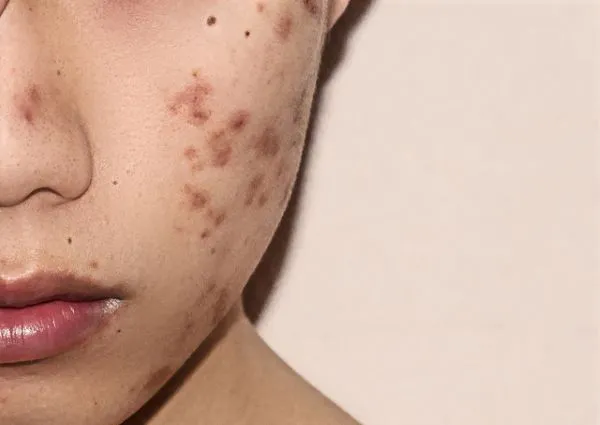
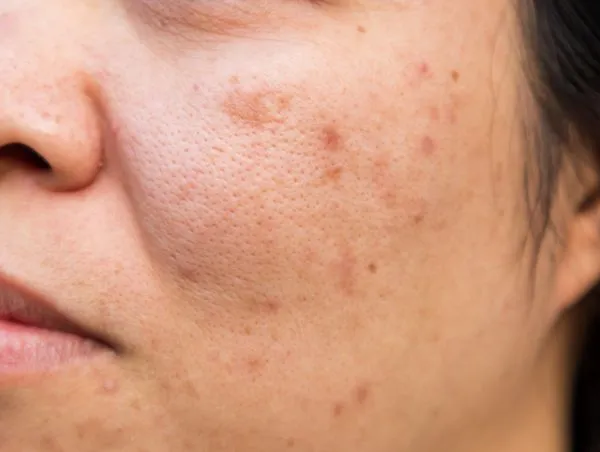
The same symptom can have different underlying causes. For example, dark patches may be related to sun exposure, post-inflammatory pigmentation, melasma or other conditions. That is why the correct diagnosis matters before choosing a procedure.
Uneven Pigmentation
Depending on the cause and depth, either treatment may be considered. Some pigmentation concerns may respond better to a specific light-based treatment, while others may benefit from carefully selected chemical exfoliation.
Dull Skin
A superficial chemical peel may help improve the appearance of dull surface skin by encouraging exfoliation. A Photofacial may also be considered when dullness is associated with uneven tone or pigmentation.
Sun-Related Skin Changes
Photofacial treatments may be considered for selected sun-related pigmentation and uneven skin tone, depending on skin type and individual suitability.
Rough Texture
Chemical peels may be useful when controlled exfoliation is appropriate for improving the appearance of rough or dull surface texture.
Why Skin Type Matters When Choosing a Treatment
Skin type and skin tone can influence how a person responds to both light-based procedures and chemical peels. In darker or more pigment-prone skin, inappropriate treatment settings or overly aggressive procedures may increase the risk of unwanted pigmentation changes.
This makes professional assessment particularly important. A treatment should be customized based on your skin type, existing pigmentation, sensitivity, history of previous procedures and the specific cause of your concern.
Which Has More Downtime?
Downtime depends on the exact treatment performed rather than simply whether you choose a Photofacial or chemical peel.
After a Photofacial
- Temporary redness may occur
- Some pigmentation may temporarily appear darker before improving
- Skin may feel sensitive for a short period
- Sun protection is important
After a Chemical Peel
- Mild redness or tightness may occur
- Visible peeling may occur depending on peel type
- Recovery varies with treatment depth
- Skin should be protected from excessive sun exposure
How Soon Will You See Results?
Results depend on the skin concern being treated and the procedure performed. Some people may notice temporary improvements in skin brightness or smoothness relatively quickly, while concerns such as pigmentation may improve gradually over multiple sessions.
Temporary redness, sensitivity or mild changes may occur depending on treatment.
The skin gradually recovers, and peeling or pigment changes may occur depending on the procedure.
Changes in brightness, texture or tone may gradually become more noticeable.
Other Treatments for Pigmentation and Uneven Skin Tone
A Photofacial or chemical peel may not always be the best option for every skin concern. Depending on your diagnosis and skin type, other targeted treatments may be considered.
Frequently Asked Questions
Which is better: Photofacial or chemical peel?
Neither treatment is automatically better for everyone. The right choice depends on your skin concern, skin type, pigmentation pattern, treatment goals and tolerance for downtime.
Is Photofacial better for pigmentation?
A Photofacial may be suitable for certain types of pigmentation, particularly when light-based treatment is appropriate. However, some pigmentation conditions may require a different approach, so professional diagnosis is important.
Does a chemical peel help with uneven skin tone?
Selected chemical peels can improve the appearance of dullness and uneven-looking skin tone. The appropriate peel depends on the underlying cause and your skin type.
Which treatment has less downtime?
Many Photofacial treatments involve relatively limited downtime, while downtime after a chemical peel can vary from minimal to more noticeable depending on the peel depth.
Can I combine Photofacial and chemical peel treatments?
In some treatment plans, different procedures may be used at separate times to address multiple concerns. Whether they should be combined depends on your skin condition and should be decided by a qualified professional.
Are these treatments safe for Indian skin?
Both treatments can be performed on suitable candidates, but skin type, pigmentation tendency and treatment settings or peel strength need to be carefully considered. A personalized assessment is especially important for pigment-prone skin.
So, Which One Should You Choose?
Choose neither based solely on what worked for someone else. A Photofacial and chemical peel work differently, and the best treatment depends on what is actually causing your pigmentation, dullness, uneven tone or texture concerns.
A Photofacial may be considered when light-based treatment is appropriate for concerns such as selected pigmentation, redness or uneven skin tone. A chemical peel may be more suitable when controlled exfoliation is needed to improve dullness, surface texture or certain pigmentation concerns.
The best results usually begin with the right diagnosis — not simply choosing the newest or most popular treatment.
Not Sure Which Treatment Is Right for Your Skin?
A professional skin assessment can help identify the cause of pigmentation, uneven tone or dullness and determine whether a Photofacial, chemical peel or another treatment is more suitable for your skin.
Explore Photofacial Explore Chemical Peels Book a ConsultationMedical note: Individual suitability and results vary. Skin type, pigmentation tendency, medical history and the specific cause of your skin concern should be considered before undergoing a Photofacial, chemical peel or any other aesthetic procedure.
```For enquiries you can get in touch with us at info@drkeerthanakalva.com