Skin Health & Pigmentation
Pigmentation Around the Mouth: Common Causes and Treatment Options
Noticing dark patches around your lips or a darker area above your upper lip? Pigmentation around the mouth can develop for several reasons, from sun exposure and hormonal changes to irritation and inflammation. Understanding the cause is the first step towards choosing the right treatment.
The short answer
Darkness around the mouth may be caused by melasma, post-inflammatory hyperpigmentation, repeated irritation, contact allergies or certain skin conditions. Treatment depends on the underlying cause and may involve sun protection, prescription creams, gentle skincare, chemical peels or selected laser procedures under dermatological supervision.
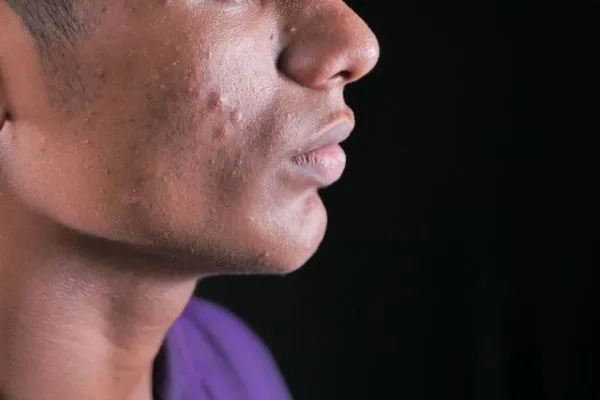
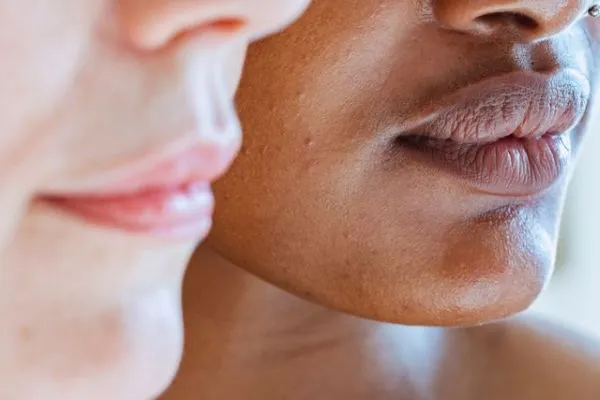
Uneven skin tone around the mouth is a common cosmetic concern. Some people notice a brown or greyish patch above the upper lip, while others develop darker skin around the corners of the mouth, chin or lower lip.
It is tempting to treat all these changes as ordinary pigmentation. However, not every dark area around the mouth is caused by excess melanin alone. Sometimes, an underlying inflammatory condition or repeated irritation is responsible.
Let's look at the common causes, how to distinguish them and what treatment options may help.
What Does Pigmentation Around the Mouth Look Like?
Perioral pigmentation refers to darker-than-usual skin around the mouth. Depending on the cause and your natural skin tone, it may appear as:
- Brown or greyish patches above the upper lip.
- Darkness around the corners of the mouth.
- Uneven skin tone between the lower lip and chin.
- Dark patches extending from the mouth towards the cheeks.
- Discolouration left behind after redness, dryness, itching or a rash.
The colour, distribution and associated symptoms can provide clues, but a dermatologist needs to examine the skin to determine the actual cause.
7 Common Causes of Pigmentation Around the Mouth
1. Sun exposure
Ultraviolet radiation can stimulate melanin production and make existing pigmentation more noticeable. The upper lip is particularly exposed to sunlight, making it a common area for uneven pigmentation.
2. Melasma
Melasma can cause brown or greyish-brown patches on the face, including above the upper lip. Hormonal influences, sun exposure and heat may contribute. It is more common in women but can affect anyone.
3. Post-inflammatory hyperpigmentation
Inflammation caused by acne, eczema, irritation or a rash can leave behind dark marks after the original problem settles. This is known as post-inflammatory hyperpigmentation (PIH).
4. Repeated irritation
Frequent rubbing, aggressive scrubbing, harsh skincare products or repeated friction may irritate the delicate skin around the mouth. Ongoing inflammation can eventually lead to darker patches.
5. Lip licking and dryness
Repeatedly licking the lips can expose the surrounding skin to saliva and cause irritation, dryness and inflammation. Persistent irritation may leave darker marks after healing.
6. Contact dermatitis
Certain lipsticks, lip balms, toothpaste ingredients, fragrances and skincare products can trigger irritation or an allergic reaction. Repeated inflammation may result in pigmentation around the lips.
7. Other skin conditions
Conditions such as perioral dermatitis and certain forms of eczema can affect the area around the mouth. They may cause redness, small bumps, dryness, scaling or burning. Dark marks can sometimes remain after inflammation resolves.
These causes can overlap. For example, someone with melasma may also experience irritation from skincare products, making pigmentation more difficult to manage.
Is It Pigmentation, Melasma or Perioral Dermatitis?
Several conditions can affect the skin around the mouth, but they do not all require the same treatment. A visual examination and medical history help distinguish them.
| Condition | Typical appearance | Important clue |
|---|---|---|
| Melasma | Flat brown or greyish-brown patches | May appear above the upper lip and on other facial areas. |
| Post-inflammatory hyperpigmentation | Flat dark marks or patches | Often follows acne, irritation, eczema or another inflammatory problem. |
| Perioral dermatitis | Small bumps, redness, dryness and scaling | May cause burning or tightness rather than simple flat pigmentation. |
| Contact dermatitis | Redness, itching, dryness or a rash | May be linked to contact with a cosmetic, toothpaste or other irritant. |
Why does this distinction matter? Pigment-lightening products or cosmetic procedures may aggravate an active inflammatory condition. If the area is itchy, scaly, bumpy, painful or burning, get the underlying problem assessed before starting pigmentation treatment.
Treatment Options for Pigmentation Around the Mouth
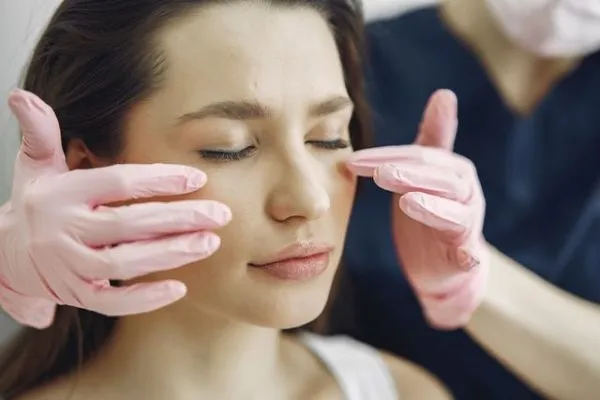
There is no single treatment that works for every type of pigmentation. The dermatologist first identifies the cause, considers your skin type and checks whether inflammation is present. Treatment is then selected accordingly.
1. Prescription topical treatments
Depending on the diagnosis, a dermatologist may recommend topical ingredients that help reduce excess pigmentation or improve uneven skin tone. These may include:
- Azelaic acid: May help with certain forms of hyperpigmentation and acne-related marks.
- Retinoids: Can support skin cell turnover and may be useful for selected pigmentation concerns, but can cause irritation if unsuitable or used incorrectly.
- Hydroquinone: A prescription depigmenting agent used for selected cases of melasma and other pigmentation disorders under medical supervision.
- Other prescribed formulations: Depending on the condition, a dermatologist may consider ingredients such as tranexamic acid, kojic acid or niacinamide.
These products are not interchangeable. Some may be unsuitable for sensitive skin, pregnancy or certain medical conditions. Avoid applying strong prescription creams or combination bleaching products around the mouth without medical advice.
2. Chemical peels
Certain chemical peels use controlled exfoliating ingredients to improve selected forms of superficial pigmentation and uneven skin tone. The type, strength and suitability of a peel depend on the diagnosis and skin condition.
For people with medium to darker skin tones, aggressive peels can sometimes trigger additional inflammation and post-inflammatory hyperpigmentation. A dermatologist should select the appropriate approach and assess the risk before treatment.
Learn more about chemical peel treatments.
3. Laser toning and selected laser treatments
Some laser technologies may be considered for carefully selected pigmentation concerns. Laser toning may be discussed for certain cases of melasma or superficial pigmentation, but it is not suitable for every type of dark patch.
Laser treatment requires particular care in darker skin tones because excessive energy or inappropriate settings may cause burns, worsening pigmentation or uneven skin colour. Recurrence is also possible, especially with melasma.
Find out more about laser toning and melasma treatment.
4. Treatment of the underlying skin condition
If pigmentation is caused by eczema, contact dermatitis, perioral dermatitis or another inflammatory condition, the first priority is to treat that condition. This may involve avoiding the trigger and using dermatologist-prescribed medication.
Once inflammation is controlled, any remaining pigmentation can be assessed separately. Treating the underlying cause helps reduce the risk of repeated irritation and further dark marks.
Pigmentation Around the Mouth in Indian Skin: What Should You Know?
People with medium to darker skin tones may be more prone to noticeable post-inflammatory hyperpigmentation after skin irritation or inflammation. This is one reason why treating dark patches around the mouth requires a careful approach.
Some important considerations include:
- Avoid harsh scrubs and aggressive home exfoliation.
- Do not use strong bleaching creams without a dermatologist's guidance.
- Treat active acne, rashes or irritation before addressing leftover pigmentation.
- Choose procedures based on your skin type and the depth and cause of pigmentation.
- Understand that melasma can recur even after improvement.
The goal is to improve uneven pigmentation while preserving the skin's natural tone and avoiding unnecessary inflammation.
How to Prevent Pigmentation Around the Mouth
Daily habits can help reduce further darkening and support the results of treatment.
Use sunscreen
Apply broad-spectrum SPF 30 or higher daily, including around the upper lip and mouth. Reapply as directed, especially when outdoors.
Avoid friction
Do not scrub, rub or repeatedly wipe the area. Be gentle when cleansing and drying your face.
Maintain hydration
Use a suitable gentle moisturiser and avoid products that repeatedly cause dryness, burning or irritation.
Avoid triggers
If a cosmetic, lip product or toothpaste appears to trigger irritation, discuss alternatives with your dermatologist.
For melasma, a dermatologist may recommend tinted sunscreen containing iron oxides because visible light can also contribute to pigmentation in some people. Consistent sun protection is important even after the patches improve.
Common Mistakes to Avoid
- Using lemon juice or harsh home remedies: These can irritate the skin and potentially worsen pigmentation.
- Applying strong fairness or bleaching creams: Unsupervised products may contain unsuitable ingredients or cause side effects.
- Using steroid creams without advice: Facial steroid use can cause side effects and may trigger or worsen perioral dermatitis.
- Over-exfoliating: Frequent scrubbing or acid use can increase inflammation and dark marks.
- Trying multiple treatments at once: This makes it difficult to identify what is helping or causing irritation.
- Expecting overnight results: Pigmentation often takes time to improve, and some conditions such as melasma may need ongoing maintenance.
Frequently Asked Questions
1. Why is the skin around my mouth darker than the rest of my face?
This may be due to sun exposure, melasma, post-inflammatory hyperpigmentation, repeated irritation or an underlying skin condition. A dermatologist can examine the area and identify the likely cause before recommending treatment.
2. Why is the area above my upper lip becoming dark?
A darker area above the upper lip may be caused by melasma, sun exposure or post-inflammatory pigmentation. Melasma commonly affects the upper lip and may become more noticeable with sun exposure and hormonal influences.
3. Can toothpaste cause pigmentation around the mouth?
Certain toothpaste ingredients may irritate the skin in susceptible individuals. Repeated irritation can sometimes leave darker marks. If you notice a recurring rash, dryness or burning around your mouth, discuss possible contact dermatitis with a dermatologist.
4. Can pigmentation around the mouth be treated with laser?
Selected laser treatments may help certain types of pigmentation, but they are not suitable for everyone. The cause, depth of pigment and skin tone must be considered because laser procedures can sometimes worsen pigmentation, particularly if the skin is prone to post-inflammatory darkening.
5. How long does it take for pigmentation around the mouth to fade?
The timeline depends on the cause, depth of pigmentation and treatment. Some superficial post-inflammatory marks may gradually fade, while melasma can be persistent and may require long-term maintenance. There is no single recovery timeline for everyone.
6. Can pigmentation around the mouth return after treatment?
Yes. Melasma and other pigmentation concerns can recur, especially if the triggers remain. Consistent sun protection, avoiding irritation and following a dermatologist's maintenance plan can help reduce the likelihood of recurrence.
7. Is pigmentation around the mouth a sign of a medical problem?
It is often related to benign pigmentation or skin irritation, but not every dark patch has the same cause. If the change is sudden, spreading, associated with a rash or other symptoms, or involves the lips themselves, seek a medical assessment rather than treating it as a cosmetic concern.
The Bottom Line
Pigmentation around the mouth can develop due to melasma, sun exposure, inflammation, irritation or other skin conditions. Although these concerns may look similar, their treatments can be very different.
Avoid harsh home remedies and unprescribed bleaching creams. Identifying the underlying cause, protecting your skin from the sun and following an appropriate treatment plan can help improve uneven skin tone safely and gradually.
Looking for Treatment for Facial Pigmentation?
If you are concerned about dark patches around your mouth or upper lip, a dermatology consultation can help identify the cause and determine which treatment options may be appropriate for your skin.
Book a ConsultationMedical disclaimer: This article is for general educational purposes only and does not replace professional medical advice, diagnosis or treatment. Pigmentation around the mouth can have different causes. Consult a qualified dermatologist for an individual assessment before starting treatment.
For enquiries you can get in touch with us at info@drkeerthanakalva.com