Are Skin Rejuvenation Treatments Suitable for Men?
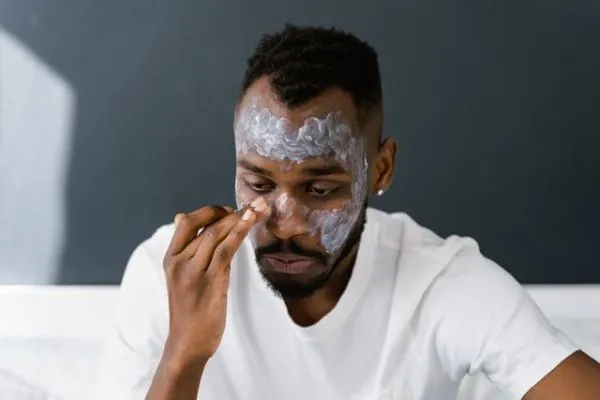
Skin health is not limited by gender. Men can experience acne scars, enlarged pores, pigmentation, uneven texture, sun damage, fine lines and loss of skin firmness just like women. Skin rejuvenation treatments can help address many of these concerns, with the treatment plan adapted to the individual's skin and goals.
Whether you want to improve acne marks, reduce the appearance of sun damage or simply achieve smoother-looking skin, there may be suitable options. The important part is choosing a treatment that addresses your concern without compromising your skin's health or creating an unnatural-looking result.
Can Men Undergo Skin Rejuvenation Treatments?
Yes. Skin rejuvenation treatments are suitable for men when selected according to their skin condition, medical history and expectations. Procedures such as chemical peels, microneedling, selected laser treatments and skin-quality treatments are used to address concerns in male patients.
Men may have some differences in skin characteristics. Androgen-related factors can contribute to greater oil production, facial hair growth and differences in skin thickness. These characteristics can influence how a treatment is planned, but they do not mean that men need an entirely separate category of skin rejuvenation.
For example, a man with oily skin and acne scars may need a different approach from someone whose main concern is sun-related pigmentation or fine lines. A dermatologist can assess these differences before recommending a procedure.
Common Skin Concerns Men Seek Treatment For
Men may seek dermatological advice for several concerns that affect the appearance, texture or comfort of their skin.
Acne Scars and Enlarged Pores
Old acne can leave pits, uneven texture and visible pores. Depending on scar type, treatments such as microneedling or selected resurfacing procedures may help improve the appearance of the skin.
Sun Damage and Pigmentation
Frequent outdoor exposure without adequate sun protection can contribute to tanning, dark spots and uneven skin tone. Pigmentation needs to be assessed before choosing a peel or light-based treatment.
Oily Skin and Uneven Texture
Excess oil, clogged pores and rough texture can make skin appear dull. A suitable skincare routine and selected professional treatments may help improve these concerns.
Fine Lines and Early Signs of Ageing
Fine lines, changes in skin firmness and sun-related ageing can become more noticeable over time. Treatment options depend on the depth and cause of these changes.
Roughness and Dull-Looking Skin
Dehydration, accumulated dead skin cells, environmental exposure and inconsistent skincare can affect skin brightness and smoothness.
Post-Acne Marks and Uneven Tone
Dark marks left after acne can persist even after active breakouts settle. Treatment should address the underlying pigmentation and prevent further irritation.
Which Skin Rejuvenation Treatments Can Men Consider?
There is no single best skin rejuvenation treatment for every man. The choice depends on whether the main concern is pigmentation, acne scars, texture, fine lines or skin laxity. Some commonly considered options include:
1. Chemical Peels
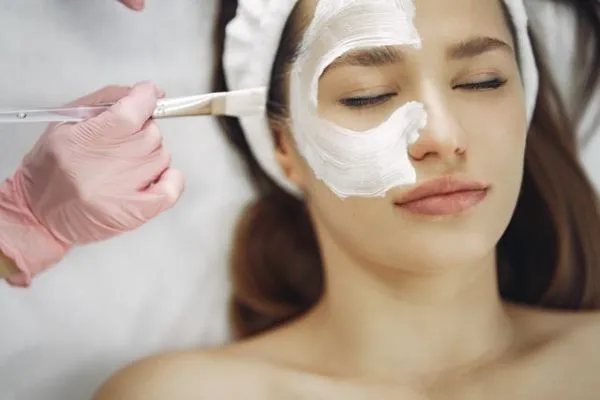
Chemical peels use carefully selected exfoliating solutions to improve the appearance of certain pigmentation concerns, acne-related marks, uneven tone and rough texture. The type and strength of the peel are selected according to the skin assessment and the concern being treated.
Men with oilier skin or acne-prone skin may be considered for particular peel formulations. However, stronger peels are not automatically better. Inappropriate treatment can cause irritation and unwanted pigmentation, particularly in darker skin tones.
Learn more about chemical peel treatments.
2. Microneedling and Dermaroller Treatments
Microneedling uses fine needles to create controlled micro-injuries in the skin, stimulating a wound-healing response and collagen production. It may be considered for selected acne scars, uneven texture, enlarged pores and fine lines.
The depth and technique need to be tailored to the treatment area and skin condition. Active infections, inflamed acne and certain medical conditions may mean that treatment should be postponed or avoided.
Explore dermaroller treatment and acne scar reduction options.
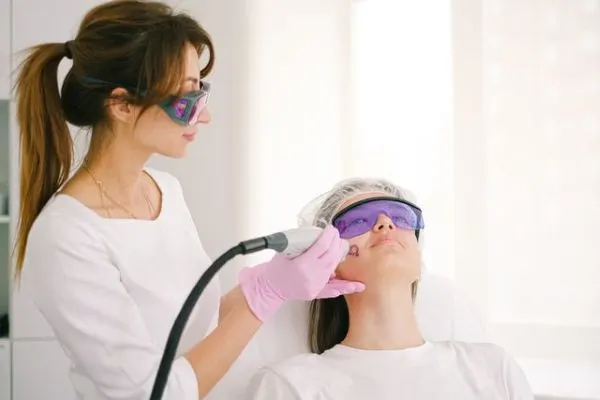
3. Laser Toning and Other Laser Treatments
Selected laser technologies may help address pigmentation, sun-related changes, uneven tone and certain textural concerns. The device, wavelength and energy settings must be chosen carefully based on skin tone and the condition being treated.
For Indian skin tones, a cautious approach is especially important because inflammation from an unsuitable procedure can sometimes lead to post-inflammatory hyperpigmentation. Not every laser is appropriate for every pigmentation concern.
Read about laser toning and laser resurfacing.
4. Skin Rejuvenation and Hydration Treatments
Some professional skin treatments focus on cleansing, hydration and improving the appearance of dull or tired-looking skin. These may be considered when the goal is a refreshed appearance rather than correction of deeper scars or significant skin laxity.
The products and techniques used should suit the individual's skin sensitivity and existing skin conditions. A facial treatment should not be expected to replace medical treatment for acne, eczema or persistent pigmentation.
Explore skin rejuvenation treatments and medifacial options.
5. Treatments for Fine Lines and Skin Firmness
When fine lines or early skin laxity are the main concerns, a dermatologist may discuss selected skin-tightening procedures or other aesthetic options. The suitability of each approach depends on the degree of skin laxity, facial anatomy and the result the patient hopes to achieve.
For some individuals, a combination of skincare and a procedure may be more appropriate than relying on a single treatment.
Find out more about skin tightening treatments.
Quick Comparison: Which Treatment Addresses Which Concern?
The following table is a general guide. It does not replace an individual skin assessment.
| Skin concern | Possible treatment options | Important consideration |
|---|---|---|
| Acne scars | Microneedling, selected laser resurfacing | Scar type and depth determine the approach. |
| Uneven skin tone | Selected chemical peels, laser toning | Identify the cause of pigmentation first. |
| Oily or congested skin | Appropriate skincare, selected peels and facials | Active acne may need medical treatment. |
| Fine lines | Selected resurfacing or skin-quality procedures | Depth of lines and skin condition matter. |
| Dull or dehydrated appearance | Hydration-focused treatments and skincare | Results may be temporary and maintenance may be needed. |
| Mild skin laxity | Selected skin-tightening procedures | Results vary; significant laxity may need other options. |
Is Men's Skin Different From Women's Skin?
There can be biological differences between male and female skin, but individual variation is considerable. Hormones, age, genetics, sun exposure, shaving habits and skincare routines all influence skin condition.
Some men have oilier skin and more prominent facial hair follicles. Shaving can also contribute to irritation, razor bumps and ingrown hairs in susceptible individuals. These factors may affect treatment planning, especially around the beard and neck.
However, gender alone does not determine which procedure is suitable. A dermatologist should assess the actual skin concern, skin tone, sensitivity, medical history and healing tendencies.
What Should Men Consider Before Choosing a Treatment?
Before undergoing a skin rejuvenation procedure, it is useful to discuss the following points during a consultation:
- Your main concern: Be clear about whether you want to address scars, pigmentation, roughness, fine lines or another issue.
- Your skin type and tone: Oily, dry, sensitive and darker skin types may require different treatment choices and settings.
- Shaving habits: Tell your dermatologist if you shave daily, experience razor bumps or have irritation in the beard area.
- Medical history: Mention skin conditions, allergies, previous procedures, medications and any tendency to develop raised scars or pigmentation.
- Downtime: Ask about redness, peeling, swelling, sun exposure restrictions and when you can return to work or exercise.
- Realistic expectations: Some concerns improve gradually over multiple sessions. Complete removal of scars, pores or wrinkles may not be possible.
How Many Sessions Are Needed?
The number of sessions depends on the treatment, the severity of the concern and how your skin responds. A superficial skin treatment may be planned differently from a procedure intended to improve deeper acne scars or significant sun damage.
Some treatments require a course of sessions spaced several weeks apart. Others may be performed less frequently, with maintenance depending on the result and the individual's skin needs.
It is best to ask your dermatologist for a treatment schedule after the initial assessment rather than relying on a fixed number of sessions advertised for everyone.
Does Skin Rejuvenation Require a Complicated Skincare Routine?
No. A consistent, uncomplicated routine can support skin health and help maintain treatment results. Men do not need an extensive collection of products to care for their skin.
Morning
- Use a gentle cleanser suited to your skin.
- Apply a moisturiser if needed.
- Use broad-spectrum sunscreen of SPF 30 or higher.
Evening
- Cleanse to remove sweat, oil and sunscreen.
- Use dermatologist-recommended products for your concern.
- Apply moisturiser to support the skin barrier.
After a procedure, follow the specific aftercare instructions provided by your treating clinician. You may need to pause certain active ingredients, avoid exfoliation and limit sun exposure until the skin has recovered.
Are Skin Rejuvenation Treatments Safe for Men?
Many skin rejuvenation procedures are routinely performed in men. However, no medical or cosmetic procedure is completely risk-free. Depending on the treatment, possible side effects include temporary redness, swelling, sensitivity, peeling or irritation. Less common complications can include infection, burns, scarring and changes in pigmentation.
The risk depends on the procedure, equipment, settings, practitioner expertise and the individual's skin characteristics. Men with active skin infections, uncontrolled skin conditions or certain medical histories may need treatment postponed or modified.
Choose a qualified medical professional who can assess your skin, explain the benefits and limitations, and provide clear pre- and post-treatment guidance.
When Should You Consult a Dermatologist?
Consider a professional assessment if you have persistent acne scars, recurring pigmentation, unexplained changes in skin texture, worsening sun damage or fine lines that concern you.
It is particularly important to seek medical advice if a dark spot changes in size, shape or colour, bleeds, develops a persistent sore or looks noticeably different from other marks. Do not assume every dark spot is simply pigmentation that needs cosmetic treatment.
Frequently Asked Questions
1. Are skin rejuvenation treatments only for women?
No. Men can also undergo skin rejuvenation treatments. Procedures such as chemical peels, microneedling and selected laser treatments may be used to address acne scars, uneven tone, sun damage and signs of ageing in suitable candidates.
2. Which skin rejuvenation treatment is best for men?
There is no single best treatment for everyone. Microneedling may be considered for selected acne scars and texture concerns, while chemical peels or certain laser procedures may be considered for specific pigmentation and sun-damage concerns. The right option depends on a dermatologist's assessment.
3. Can men with beards undergo skin rejuvenation treatments?
Often, yes. However, the beard area may need special consideration depending on the procedure. Shaving requirements, hair density, skin irritation and the exact treatment area should be discussed before the session.
4. Do men need different skincare products?
Not necessarily. Skincare should be selected according to skin type and concerns rather than gender. A gentle cleanser, suitable moisturiser and daily sunscreen are useful basics for most people.
5. Can skin rejuvenation help with acne scars in men?
Yes, certain treatments may improve the appearance of acne scars. The choice depends on whether the scars are rolling, boxcar, ice-pick or another type. Some scars need a combination of procedures rather than one treatment alone.
6. Is there downtime after skin rejuvenation?
Downtime varies. Some treatments cause little visible interruption, while others may result in redness, peeling, swelling or sensitivity for several days or longer. Ask about recovery before choosing a procedure.
7. Can men with darker skin tones undergo laser treatments?
Some laser treatments can be suitable for darker skin tones when the device and settings are carefully selected. However, certain procedures carry a greater risk of pigmentation changes. A clinician experienced in treating skin of colour should assess suitability.
8. At what age can men consider skin rejuvenation?
There is no universal age. Treatment is based on the skin concern, medical suitability and individual goals, not age alone. A dermatologist can advise whether a procedure is appropriate or whether skincare and medical treatment are better starting points.
Healthy Skin Has No Gender
Skin rejuvenation treatments can help men address concerns such as acne scars, pigmentation, uneven texture and early signs of ageing. The most important step is understanding your skin and choosing a treatment plan that is safe, appropriate and realistic.
If you are considering skin rejuvenation in Hyderabad, consult a dermatologist to discuss your concerns and the options that may suit your skin.
Book a ConsultationMedical disclaimer: This article is for general educational purposes and is not a substitute for professional medical advice, diagnosis or treatment. The suitability, risks and expected results of skin rejuvenation procedures vary between individuals. Consult a qualified dermatologist before undergoing any cosmetic or medical skin treatment.