Everything You Need to Know About Skin Biopsy
A skin biopsy is a common dermatology procedure used to examine a small sample of skin under a microscope. Here's what it involves, why it may be recommended and what you can expect.
What Is a Skin Biopsy?
A skin biopsy involves removing a small sample of skin for examination in a laboratory. The sample is examined by a pathologist, often with specialised dermatopathology expertise, to help determine what is causing a particular skin change.
Your dermatologist may recommend a biopsy when a skin lesion, mole, rash or other abnormality cannot be diagnosed confidently through examination alone. A biopsy does not automatically mean that cancer is suspected. It can also be used to diagnose many benign and inflammatory skin conditions.
Why Might You Need a Skin Biopsy?
A dermatologist may recommend a biopsy when the appearance or behaviour of a skin problem needs further investigation.
Suspicious mole
A changing mole may need microscopic examination to determine its nature.
Unusual skin growth
A new or changing growth may require further evaluation.
Persistent rash
A biopsy can help identify certain inflammatory or immune-related skin conditions.
Uncertain diagnosis
Sometimes tissue examination is needed when several conditions look similar.
What Can a Skin Biopsy Help Diagnose?
Depending on the type of lesion and the biopsy performed, microscopic examination can help diagnose or distinguish between different conditions.
Types of Skin Biopsy
The technique chosen depends on the size, depth, location and suspected diagnosis of the skin problem.
| Type | What it involves | Common use |
|---|---|---|
| Shave biopsy | A thin layer of the lesion is removed from the skin surface. | Selected superficial lesions. |
| Punch biopsy | A small cylindrical sample containing several layers of skin is removed. | Rashes, inflammatory conditions and selected lesions. |
| Excisional biopsy | The entire lesion may be removed along with a small margin of surrounding tissue. | Selected lesions where complete removal is appropriate. |
| Incisional biopsy | Only part of a larger lesion is removed for examination. | Large or extensive lesions where complete removal is not initially appropriate. |
What Happens During a Skin Biopsy?
Assessment
The dermatologist examines the area and determines whether a biopsy is appropriate.
Numbing
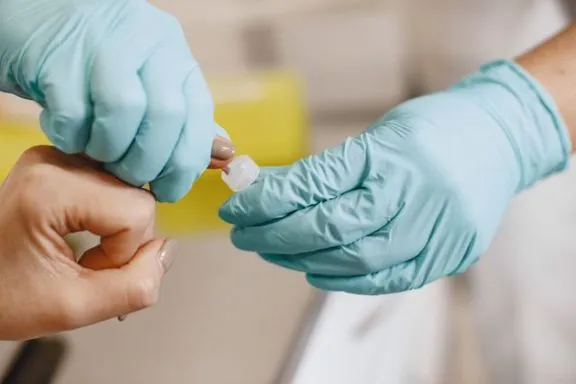
A local anaesthetic is generally used to numb the area before the sample is taken.
Biopsy
The selected biopsy technique is used to remove the required tissue sample.
Laboratory examination
The tissue is preserved, processed and examined under a microscope.
Is a Skin Biopsy Painful?
Most skin biopsies are performed using local anaesthesia, so you should not feel significant pain while the tissue is being removed. You may feel a brief sting or pinch when the anaesthetic is injected.
Once the anaesthetic wears off, the area may feel mildly sore or sensitive for a short period. Your dermatologist will provide wound-care instructions based on the type and location of the biopsy.
What Is Recovery Like?
Recovery depends on the type and size of the biopsy and whether stitches are required. Small biopsy sites generally heal over time with appropriate wound care.
Keep it clean
Follow your doctor's instructions for cleaning and dressing the biopsy site.
Avoid picking
Do not scratch, pick or unnecessarily disturb the healing area.
Protect the area
Once appropriate, protecting healing skin from excessive sun exposure can help minimise persistent pigmentation.
When Will You Get the Biopsy Results?
The tissue sample needs to be processed and examined by a pathologist before a report can be issued. The time required can vary depending on the type of tissue, laboratory processing and whether additional tests are needed.
If specialised staining or additional analysis is required, the final report may take longer. Your dermatologist will explain the results and discuss what they mean for your next steps.
Will a Skin Biopsy Leave a Scar?
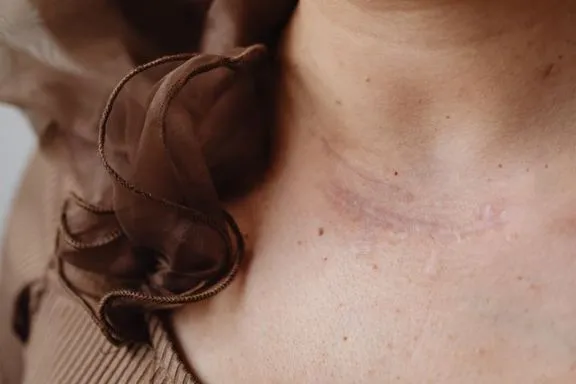
Any procedure that breaks the skin can potentially leave a mark or scar. However, the final appearance depends on factors such as the biopsy technique, size and location, healing response and individual tendency to scar.
Some small biopsy sites may heal with a relatively subtle mark, while larger biopsies or procedures requiring stitches may leave a more noticeable scar.
Are There Any Risks?
Skin biopsy is a commonly performed procedure, but as with any procedure involving the skin, there can be potential risks.
Usually manageable with appropriate wound care.
Uncommon, but the site should be monitored while healing.
Some people may develop temporary or persistent colour changes.
A small scar or mark can remain after healing.
When Should You See a Dermatologist?
Not every unusual-looking skin lesion requires a biopsy. A dermatologist first assesses the lesion and determines whether further testing is appropriate.
Consider getting a professional skin assessment if you notice a lesion that:
- Changes in size, shape or colour.
- Looks significantly different from your other moles or spots.
- Bleeds, crusts or repeatedly develops a sore.
- Does not heal as expected.
- Develops rapidly or changes noticeably over time.
These signs do not automatically mean that a lesion is cancerous, but they are reasons to have the area professionally assessed.
Frequently Asked Questions
Does a skin biopsy mean I have skin cancer?
No. A biopsy is a diagnostic procedure. It can be used to investigate many different skin conditions, including benign growths, inflammatory conditions, infections and skin cancers.
How painful is a skin biopsy?
Local anaesthetic is generally used, so the biopsy itself should not cause significant pain. You may experience a brief sting from the anaesthetic injection and some soreness afterward.
How long does a skin biopsy take?
Many skin biopsies are relatively quick procedures. The exact time depends on the type of biopsy, location and whether stitches are required.
Can I go home after a skin biopsy?
Skin biopsies are generally performed as outpatient procedures, so most people can return home afterward unless there is another reason for medical observation.
Can a mole be removed during a biopsy?
Depending on the lesion and clinical situation, an excisional biopsy may remove the entire lesion. In other situations, only a representative portion may be sampled.
What happens after the biopsy results come back?
Your dermatologist will explain the pathology report and whether any further treatment, monitoring or follow-up is needed.
The Bottom Line
A skin biopsy is a valuable diagnostic tool that allows doctors to examine skin tissue at a microscopic level. It can help distinguish between different types of skin lesions and conditions when a clinical examination alone is not enough.
If your dermatologist recommends a biopsy, it does not necessarily mean something serious has been found. It simply means that examining the tissue can provide more definitive information and guide the appropriate next step.
Have a Skin Lesion You're Concerned About?
If you have a changing mole, unusual growth, persistent rash or another skin change that concerns you, a dermatologist can assess it and determine whether further testing is necessary.
Book a Dermatology ConsultationThis article is for general educational purposes and should not replace an individual medical consultation. The need for a biopsy and the appropriate technique depend on the specific skin lesion and should be determined by a qualified medical professional.
For enquiries you can get in touch with us at info@drkeerthanakalva.com