Are Skin Tags Dangerous? When Should You Remove Them?
Skin tags are one of the most common benign skin growths seen by dermatologists. Although they are usually harmless, they can become bothersome if they rub against clothing, jewelry, or repeatedly get irritated.
Understanding when a skin tag is harmless and when it deserves medical evaluation can help you make informed decisions about treatment.
Common Locations
- Neck
- Underarms
- Eyelids
- Groin
- Under the breasts
- Skin folds
What Are Skin Tags?
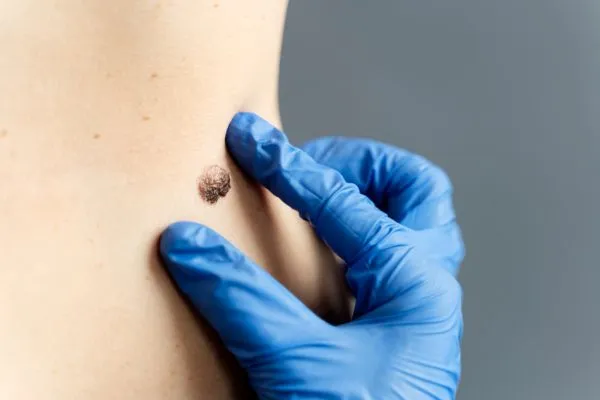
Skin tags (acrochordons) are small, soft, flesh-colored growths that develop on the surface of the skin. They are made up of collagen fibers, blood vessels, and skin tissue and usually hang from the skin by a small stalk.
They are extremely common in adults and tend to occur in areas where skin rubs against skin or clothing.
Why Do Skin Tags Develop?
Skin Friction
Repeated rubbing is one of the most common reasons skin tags form.
Genetics
They often run in families.
Weight Gain
Additional skin folds may increase friction.
Ageing
Skin tags become more common as we grow older.
Are Skin Tags Dangerous?
| Question | Answer |
|---|---|
| Are skin tags cancerous? | No. Typical skin tags are benign (non-cancerous). |
| Are they contagious? | No. Skin tags cannot spread from one person to another. |
| Do they require treatment? | Not always. Removal is usually recommended only if they become irritated, painful, bleed repeatedly, or for cosmetic reasons. |
| Can they fall off naturally? | Some may shrink or detach, but most remain unless professionally removed. |
When Should You Remove a Skin Tag?
Repeated rubbing from clothing or jewellery.
If it frequently bleeds after minor trauma.
Visible skin tags on the face or neck may affect confidence.
If a growth changes rapidly in colour, shape, or size, seek medical evaluation.
Myth vs Fact
Myth
It's safe to remove every skin tag at home.
Fact
Some skin growths may resemble skin tags but require medical evaluation. Self-removal can lead to infection, bleeding, or delayed diagnosis if the lesion is not actually a skin tag.
Related Treatment
Skin Tag Removal
Learn about safe, dermatologist-performed skin tag removal techniques that minimise discomfort and help achieve excellent cosmetic outcomes.
Frequently Asked Questions
Are skin tags dangerous?
No. Most skin tags are harmless and non-cancerous.
Can skin tags turn into cancer?
Typical skin tags do not become cancerous. However, any unusual or changing skin growth should be examined by a dermatologist.
Should I remove a skin tag myself?
It is best to avoid self-removal. Professional treatment is safer and helps ensure the growth is correctly diagnosed.
Why do I keep getting skin tags?
Genetics, ageing, friction, obesity, and certain metabolic conditions may increase the likelihood of developing skin tags.
Is skin tag removal painful?
Most dermatologist-performed procedures are quick and involve minimal discomfort.
When should I see a dermatologist?
If a skin tag bleeds repeatedly, becomes painful, changes rapidly, or you're unsure whether it is actually a skin tag, seek professional evaluation.
Concerned About a Skin Growth?
Most skin tags are harmless, but it's always worth having a new or changing skin growth examined by a dermatologist. Professional evaluation ensures an accurate diagnosis and safe removal if needed.
Book a ConsultationFor enquiries you can get in touch with us at info@drkeerthanakalva.com