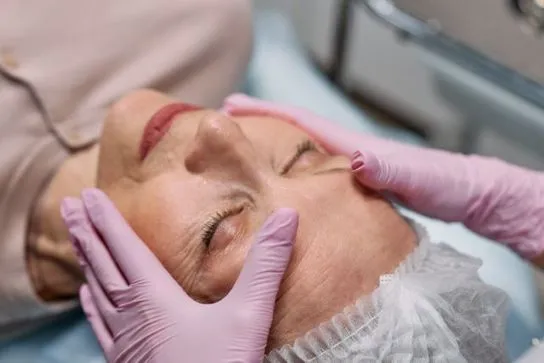
How Facial Ageing Changes in Your 30s vs 40s vs 50s
Facial ageing is a gradual process that changes over time. While fine lines may be the first concern in your 30s, volume loss, skin laxity, and changes in facial contours often become more noticeable during your 40s and 50s.
Understanding how your face changes at different stages can help you choose a more personalized approach to skin care and facial rejuvenation rather than waiting until signs of ageing become more pronounced.
Common Changes
- Fine lines and wrinkles
- Loss of skin elasticity
- Volume loss
- Sun damage
- Sagging skin
- Changing facial contours
Why Does the Face Change With Age?
Facial ageing is influenced by several factors, including natural changes in collagen and elastin, reduced skin hydration, sun exposure, genetics, lifestyle, and gradual changes in facial fat and underlying bone structure.
This means ageing is not simply about wrinkles. Over time, the face can experience changes in skin quality, volume distribution, muscle activity, and structural support. As a result, the concerns you have in your 30s may be different from those you experience in your 40s or 50s.
30s vs 40s vs 50s: How Facial Ageing Changes
| Age Group | Common Changes | Main Concerns |
|---|---|---|
| 30s | Early collagen decline, fine lines, subtle pigmentation | Fine lines, dullness, early volume changes |
| 40s | More noticeable wrinkles, volume loss, reduced elasticity | Nasolabial folds, skin laxity, pigmentation, facial volume loss |
| 50s+ | Greater collagen loss, sagging, deeper lines, structural changes | Jowls, significant laxity, deeper wrinkles, loss of facial definition |
Facial Ageing in Your 30s
During your 30s, early signs of ageing may become more visible. Collagen production gradually decreases, and the skin may not bounce back as easily as it did in your 20s.
Fine lines may begin appearing around the eyes and forehead.
Previous UV exposure may begin showing as uneven pigmentation.
Skin may appear less plump and radiant due to reduced hydration.
Facial Ageing in Your 40s
During your 40s, changes in skin elasticity and facial volume may become more noticeable. Wrinkles can appear deeper, while areas that once looked full may gradually lose volume.
Expression lines and folds may become more noticeable over time.
Reduced facial volume may affect the cheeks, temples, and under-eye area.
Loss of elasticity can contribute to early sagging and changes in facial contours.
Facial Ageing in Your 50s
By your 50s, the combined effects of collagen loss, reduced skin elasticity, volume changes, and years of environmental exposure may become more apparent.
Reduced elasticity can contribute to laxity around the cheeks, jawline, and neck.
Lines and folds may become more pronounced and visible at rest.
Changes in skin and facial volume may affect the jawline and overall facial contours.
Facial Rejuvenation Options at Different Stages
Anti Wrinkle Injections
Can help soften dynamic wrinkles caused by repeated facial muscle movement.
Explore Anti Wrinkle Injections ?Dermal Fillers
May restore selected areas of lost volume and enhance facial contours when appropriately planned.
Explore Dermal Fillers ?Skin Rejuvenation
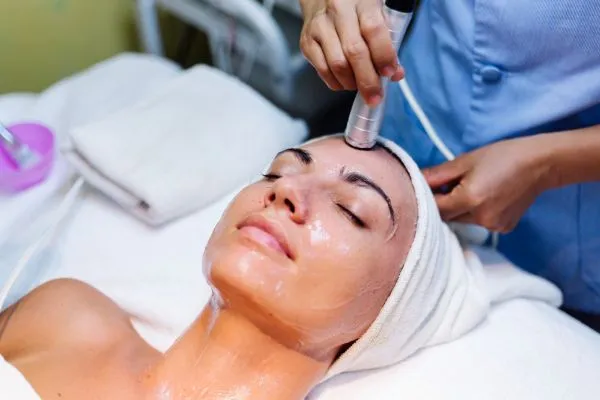
Professional treatments can target concerns such as uneven tone, dullness, and early signs of ageing.
Explore Skin Rejuvenation ?Skin Tightening
Non-surgical skin tightening approaches may help improve the appearance of mild to moderate laxity.
Explore Skin Tightening ?The Goal: Look Refreshed, Not Overdone
Modern facial rejuvenation is increasingly focused on subtle, personalized results. Instead of trying to completely erase every sign of ageing, treatments can be selected according to your facial anatomy, skin quality, concerns, and desired outcome.
Treatment should be based on your individual facial structure and concerns.
The aim is to maintain harmony between different facial features.
Addressing concerns as they develop may allow for a more conservative approach.
Myth vs Fact
Myth
You should wait until your 50s before considering any facial rejuvenation treatment.
Fact
There is no single "right age" for aesthetic treatments. The appropriate approach depends on your individual concerns, skin health, anatomy, and goals.
Explore Facial Rejuvenation Treatments
Anti Wrinkle Injections
Explore treatments designed to soften the appearance of dynamic wrinkles and fine lines.
Dermal Fillers
Discover how fillers can be used to restore selected areas of lost facial volume and improve contours.
Skin Rejuvenation
Learn about professional options for improving skin texture, tone, hydration, and radiance.
Skin Tightening
Explore non-surgical approaches that may help improve the appearance of loose or lax skin.
Frequently Asked Questions
When does facial ageing usually begin?
Facial ageing is a gradual process that can begin earlier than visible signs suggest. Fine lines and subtle changes in skin quality may become noticeable in the 30s, while volume loss and skin laxity often become more apparent with age.
What happens to the face in your 30s?
In your 30s, early signs may include fine lines, reduced skin radiance, pigmentation, and gradual changes in collagen production and skin elasticity.
How does facial ageing change in your 40s?
During the 40s, wrinkles may become more noticeable, while gradual volume loss and reduced skin elasticity can contribute to changes in facial contours.
What are common facial ageing concerns in your 50s?
In your 50s, sagging skin, deeper wrinkles, volume loss, and reduced jawline definition may become more prominent.
Can facial ageing be prevented?
Ageing cannot be completely prevented, but daily sunscreen, a consistent skincare routine, healthy lifestyle habits, and appropriate professional treatments may help manage visible signs of ageing.
What is the best treatment for facial ageing?
There is no single best treatment for everyone. Depending on your concerns, a dermatologist may recommend options such as anti wrinkle injections, dermal fillers, skin rejuvenation, or skin tightening treatments.
Your Skin Changes With Time. Your Treatment Plan Can Too.
Facial ageing is unique to every individual. A professional consultation can help identify your primary concerns and create a personalized approach that focuses on natural-looking rejuvenation.
Book a ConsultationFor enquiries you can get in touch with us at info@drkeerthanakalva.com