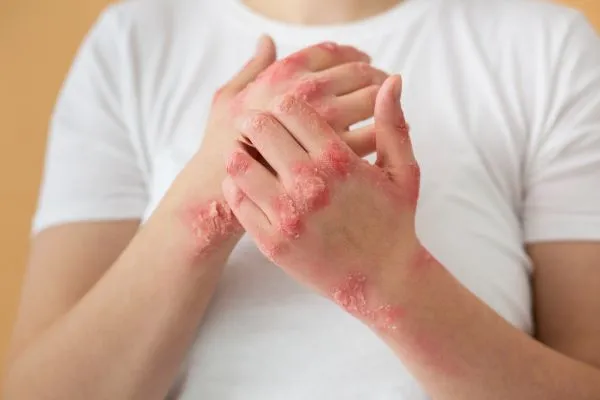
What Do Changes in Nail Color and Texture Mean?
Your fingernails and toenails can reveal much more than grooming habits. Changes in nail colour, thickness, texture, or shape may simply result from ageing or minor injuries, but they can also indicate fungal infections, skin disorders, nutritional deficiencies, or underlying medical conditions.
Knowing which nail changes are harmless and which require medical attention can help ensure early diagnosis and appropriate treatment.
Watch For
Why Nail Changes Shouldn't Be Ignored
Healthy nails are generally smooth, evenly coloured, and firmly attached to the nail bed. Persistent changes in colour, texture, thickness, or shape may indicate an underlying problem rather than a cosmetic concern.
While some nail changes are temporary, others may require evaluation by a dermatologist to determine the exact cause.
What Different Nail Colors May Indicate
| Nail Color | Possible Causes |
|---|---|
| Yellow | Fungal nail infection, ageing, smoking, psoriasis |
| White Spots | Minor nail injury, trauma, occasionally nutritional factors |
| Brown or Black | Trauma, pigmentation, certain medications, rarely melanoma |
| Green | Bacterial infection, especially after prolonged moisture exposure |
| Pale Nails | Anaemia or other underlying health conditions |
Common Changes in Nail Texture
Thick Nails
Often caused by fungal infections or psoriasis.
Brittle Nails
Can result from frequent water exposure, ageing, or nutritional deficiencies.
Pitting
Small dents commonly associated with psoriasis and eczema.
Nail Lifting
The nail separates from the nail bed due to infection, psoriasis, or injury.
Conditions That Can Affect Nail Appearance
- Fungal nail infections
- Psoriasis
- Eczema
- Trauma or injury
- Bacterial infections
- Nutritional deficiencies
- Certain medications
- Systemic medical conditions
When Should You See a Dermatologist?
Seek professional evaluation if you notice:
- Persistent nail discoloration
- Black streaks that continue to enlarge
- Painful or swollen nails
- Repeated nail infections
- Nails separating from the nail bed
- Rapid thickening
- Deformed nail growth
- Changes involving multiple nails
How Are Nail Disorders Diagnosed?
Your dermatologist may evaluate your medical history, examine your nails closely, and recommend laboratory tests or nail clippings when necessary to determine the exact cause.
Treatment depends entirely on the underlying diagnosis and may involve medications, treatment for fungal infections, management of inflammatory skin diseases, or lifestyle modifications.
Frequently Asked Questions
Are white spots on nails caused by calcium deficiency?
Not usually. Most white spots result from minor nail trauma rather than calcium deficiency.
Why are my nails turning yellow?
Yellow nails are commonly associated with fungal infections, smoking, ageing, or psoriasis.
Can nail changes indicate serious illness?
Yes. While many nail changes are harmless, persistent or unusual changes may occasionally signal underlying medical conditions that require evaluation.
Can damaged nails return to normal?
In many cases, yes. Once the underlying cause is treated, healthy nails gradually grow back, although complete nail regrowth can take several months.
For enquiries you can get in touch with us at info@drkeerthanakalva.com