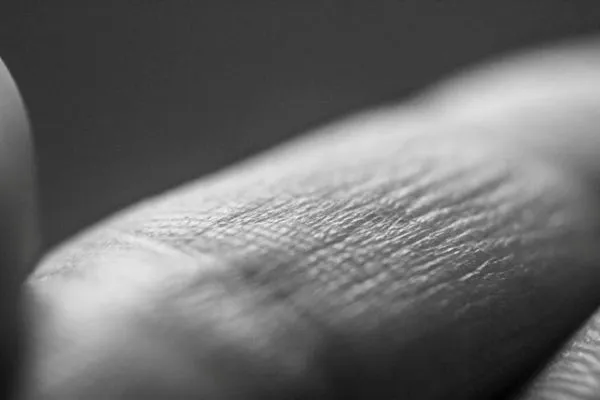
Why Is My Skin Getting Rough and Bumpy?
Common causes of rough and bumpy skin range from dryness and clogged pores to acne, irritation and conditions such as keratosis pilaris. Understanding the cause is the first step toward smoother-looking skin.
Rough, Bumpy Skin Is More Common Than You Think
Your skin may look clear at first glance but still feel rough when you run your fingers over it. You may also notice tiny bumps, uneven texture, clogged pores or patches that feel dry and grainy.
Rough and bumpy skin does not have one single cause. Sometimes it is simply a sign of dryness or a disrupted skin barrier. In other cases, the texture may be related to clogged pores, acne, keratosis pilaris, milia, folliculitis or irritation from skincare products.
The right treatment therefore depends on why the bumps are appearing. Scrubbing harder or repeatedly using strong exfoliants may actually make irritated skin worse.
What Can Make Skin Feel Rough and Bumpy?
```Dry or Dehydrated Skin
Loss of moisture can make the skin surface feel tight, flaky, rough or uneven.
Clogged Pores
Oil and dead skin cells can contribute to blackheads, whiteheads and small bumps.
Keratosis Pilaris
Small rough bumps around hair follicles are common on the arms, thighs and sometimes the face.
Acne & Follicular Bumps
Acne, folliculitis and blocked follicles can all create an uneven skin surface.
Common Causes of Rough and Bumpy Skin
```1. Dryness and a Weak Skin Barrier
When the skin loses too much water or becomes irritated, its surface may feel rough, tight and flaky. Over-cleansing, hot water, harsh products and excessive exfoliation can contribute to barrier disruption.
2. Clogged Pores
Excess oil mixed with dead skin cells can block pores. This may produce blackheads, whiteheads and small skin-coloured bumps, particularly around the forehead, nose, cheeks and chin.
3. Keratosis Pilaris
Keratosis pilaris causes small, rough follicular bumps that are often described as having a "goosebump" or sandpaper-like texture. It commonly affects the upper arms and thighs but can occur elsewhere.
4. Acne and Folliculitis
Small pimples or inflamed hair follicles can make the skin surface uneven. Folliculitis may sometimes look similar to acne, which is one reason accurate diagnosis matters.
5. Sun Damage and Ageing
Long-term sun exposure can contribute to changes in collagen, pigmentation and skin texture. Over time, the skin may appear less smooth and more uneven.
6. Product Irritation
Strong acids, retinoids, scrubs or multiple active ingredients may irritate the skin when introduced too quickly or used incorrectly. Irritated skin can become dry, rough and sensitive.
Why Does My Face Feel Rough and Uneven?
```Rough facial skin is often caused by a combination of factors rather than one problem. For example, someone may have oily skin with clogged pores but also have dehydration from over-cleansing.
Common contributors include:
- Clogged pores and comedones
- Dryness or dehydration
- Acne and post-acne changes
- Excessive exfoliation
- Sun exposure
- Skin irritation or unsuitable products
- Milia or other small keratin-filled cysts
- Conditions affecting hair follicles
If the bumps persist despite a gentle skincare routine, a dermatologist can determine whether you are dealing with clogged pores, acne, folliculitis, keratosis pilaris or another skin condition.
```Not Every Tiny Bump Is Acne
```One of the most common mistakes is assuming every small bump is a pimple. Different conditions can look similar but require different approaches.
| Possible Cause | Typical Appearance | Common Areas |
|---|---|---|
| Clogged pores | Small bumps, blackheads or whiteheads | Forehead, nose, cheeks, chin |
| Keratosis pilaris | Small rough follicular bumps | Arms, thighs, sometimes face |
| Milia | Tiny, firm, white or skin-coloured bumps | Often around the eyes and cheeks |
| Folliculitis | Small inflamed bumps around follicles | Face, scalp, chest, back or body |
Treatment Options for Rough and Bumpy Skin
```Treatment should be selected according to the underlying cause. A dermatologist may recommend skincare alone, prescription treatment or an in-clinic procedure depending on the severity and type of texture problem.
1. Correcting the Skincare Routine
A gentle cleanser, suitable moisturiser and daily broad-spectrum sunscreen can help support the skin barrier. Depending on the cause, carefully selected exfoliating or active ingredients may also be recommended.
2. Chemical Peels
Professional chemical peels can help improve certain forms of uneven texture, clogged pores and superficial pigmentation. The peel selected should match the person's skin type and concern.
3. Microdermabrasion
Microdermabrasion is a mechanical exfoliation procedure that may help improve the appearance of superficial roughness and uneven texture in appropriately selected patients.
4. Dermaroller / Microneedling
Dermaroller treatments or microneedling may be considered for selected textural concerns, particularly when uneven texture is associated with acne scars or collagen changes.
5. Laser-Based Treatments
For certain types of persistent texture irregularity, laser treatments may be considered. The specific laser and settings depend on the concern, skin type and risk of pigmentation.
6. Treating the Underlying Condition
If the texture is caused by acne, folliculitis, keratosis pilaris or another skin condition, treating the underlying problem is usually more important than simply exfoliating the surface.
A Simple Routine for Smoother-Looking Skin
```Gentle cleanser ? moisturiser ? broad-spectrum sunscreen.
Gentle cleansing ? appropriate treatment product ? moisturiser.
Avoid aggressive scrubbing and introducing several strong actives at once.
Common Mistakes That Can Make Rough Skin Worse
```Physical scrubbing does not necessarily remove the cause of bumps and can irritate the skin.
More exfoliation is not always better. Excessive use can disrupt the skin barrier.
Picking can cause inflammation, pigmentation and sometimes scarring.
UV exposure can contribute to pigmentation and long-term changes in skin texture.
When Should You See a Dermatologist?
```Consider a professional evaluation if the bumps are persistent, spreading, itchy, painful, inflamed or associated with significant redness or pigmentation.
A dermatologist can examine the texture and determine whether it is related to dryness, acne, clogged pores, keratosis pilaris, folliculitis, milia or another condition. This helps avoid using treatments that may not be appropriate for your skin.
```Frequently Asked Questions
```Why is my skin suddenly rough and bumpy?
Sudden roughness can be related to dryness, irritation, a change in skincare products, clogged pores, acne or other skin conditions. The timing and appearance of the bumps can help identify the cause.
Can dry skin cause tiny bumps?
Dryness can make the skin surface rough and flaky, although persistent tiny bumps may have other causes such as clogged pores, keratosis pilaris or follicular inflammation.
How can I improve uneven skin texture?
Start with gentle cleansing, moisturising and daily sunscreen. Depending on the cause, a dermatologist may recommend active skincare, chemical peels, microdermabrasion, microneedling or other treatments.
Is exfoliation good for rough skin?
Appropriate exfoliation can help some forms of roughness, but excessive exfoliation can irritate the skin and worsen dryness. The type and frequency should match your skin condition.
Can chemical peels improve rough skin?
Certain professional chemical peels can improve superficial texture and some types of clogged pores or pigmentation. The appropriate peel depends on the skin concern and individual skin type.
When should I see a dermatologist for bumpy skin?
See a dermatologist if the bumps persist, become inflamed or itchy, spread, leave marks, or do not improve with a gentle skincare routine.
The Bottom Line
```Rough and bumpy skin can have many causes, from simple dryness and clogged pores to acne, folliculitis and keratosis pilaris. The most effective approach is not necessarily stronger exfoliation—it is identifying what is actually causing the uneven texture.
A consistent skincare routine can support smoother-looking skin, while professional treatments such as chemical peels, microdermabrasion or dermaroller treatments may be appropriate for selected concerns.
```Want to Know What Is Causing Your Skin Texture?
Persistent roughness and tiny bumps can have different causes. A personalised skin assessment can help identify the concern and determine which treatment options are appropriate for your skin.
Book a ConsultationThis article is intended for general educational purposes and does not replace an individual dermatological evaluation or medical advice.
For enquiries you can get in touch with us at info@drkeerthanakalva.com